

GenAI development from Berlin

Generative AI Development

Generative AI development means building systems that create new text, images, code or data, embedded in your processes rather than left as a standalone chat window. Context Studios, an AI-native development studio in Berlin, combines Claude, GPT, Gemini and open-source models with quality checks, data protection and human approval.

Suspended sculpture made of many metal panels beneath the glass roof of an atrium, photographed from belowAI-generated image
AI-native development studio in BerlinClaude · GPT · Gemini · Stable DiffusionGDPR-compliant · EU AI ActBerlin-Charlottenburg
  1. Workshop
  2. Setup
  3. Sprint
  4. Build & Support

Fixed price after scoping · proposal within 48 h

Last updated:

(01)

What is generative AI development?

AI technology

Generative AI development is the design and implementation of AI systems that create new content: text, images, code, audio or structured data. It goes beyond single API calls and includes prompt engineering, connecting company knowledge, fine-tuning and quality pipelines that keep results reliable in production.

Specialisation
Text generation, image generation, code assistance, data synthesis
Technologies
Claude, GPT, Gemini, Llama, Stable Diffusion
Target group
Content-heavy businesses, marketing, media, software
Project duration
Typically 4–14 weeks depending on the use case
Compliance
GDPR, copyright, EU AI Act transparency obligations, content moderation

AI content generationAI image generationLLM developmentLLM fine-tuning

(02)

Which generative AI services do we offer?

From idea to production system, all from one team

(01)

Text generation with Claude and GPT

From marketing copy and technical documentation to personalised emails: we build systems that write high-quality text in your brand voice and are reviewed before publication.

(02)

AI image generation

Product images, marketing visuals and illustrations with Stable Diffusion and other image models, generated in your brand style and connected directly to existing creative workflows.

(03)

Code generation

Automated code generation, code reviews and documentation with Claude and other models that noticeably speed up your software development.

(04)

Synthetic data

Synthetic datasets for training, testing and analysis, GDPR-compliant and without exposing real personal data.

(05)

Prompt engineering & evaluation

Systematic prompt optimisation with chain-of-thought and few-shot techniques, plus hallucination detection, fact checking and output validation with RAGAS for reliable results.

(06)

Fine-tuning for brand style

We adapt models to your style and terminology with LoRA or QLoRA, in a GDPR-compliant architecture with European hosting or optional self-hosting.

(03)

How does a generative AI project work?

  1. (01)

    Initial call

    A free 30-minute video call with Michael Kerkhoff. We get to know your project, assess where AI adds value and give you a first estimate of feasibility, effort and timeframe.

    Step 1
  2. (02)

    Proposal & planning

    A detailed feature breakdown, a technical architecture plan and a written proposal covering scope, schedule and a fixed price.

    Step 2
  3. (03)

    AI-accelerated development

    Agile development with weekly demos and production-ready code backed by automated tests. Goal: a working MVP in about 4 weeks.

    Step 3
  4. (04)

    Launch & operation

    Production deployment with complete documentation and handover. 30 days of free bug fixing from final delivery; maintenance and further development by agreement.

    Step 4

Frequently asked questions about generative AI

(01)What can generative AI actually do for my business?
Generative AI creates text, images, code, summaries, translations and structured data, for example product descriptions, reports, draft proposals or documentation. We adapt models such as Claude, GPT or Llama to your requirements through prompt engineering, access to your knowledge and fine-tuning where needed, and embed them in your workflows.
(02)How do you ensure generated content is on brand?
We capture your brand voice through style guides, sample texts and systematic prompt engineering; where needed, we fine-tune models. Automated checks for tone, terminology and facts plus a human review before publication make sure results fit your brand consistently over time.
(03)Who owns AI-generated content?
For the code we develop, you receive the exclusive rights of use under section 5 of our terms and conditions. Generated content is additionally subject to the terms of the models used, and copyright law on AI content is still evolving. We advise on best practices and rely on human review before publication.
(04)How do we avoid quality problems with automatically generated content?
With RAG architectures that anchor answers in verified sources, fact-checking pipelines and automated evaluation of every output. Critical content goes through human review, and feedback from operations continuously flows into prompts, rules and models. This lowers the error rate over time.
(05)How much does it cost to run generative AI?
Ongoing API costs depend on the model and volume. With smart model routing, cheaper models handle simple tasks and only complex requests go to more powerful models. Caching and concise prompts reduce costs further. We offer the development itself at a fixed price after scoping, with a proposal within 48 hours.
(06)Is generative AI suitable for regulated industries?
Yes. We use GDPR-compliant architectures with European hosting, data encryption and optional self-hosting, and we take the transparency obligations of the EU AI Act into account. For sensitive content we build in human approval steps and logging so that every output stays traceable and stands up to audits.
(07)How does a professional GenAI solution differ from using ChatGPT?
A professional solution is connected to your company knowledge, integrates with existing systems via APIs and connectors, and includes quality assurance, access controls and data protection. Instead of individual employees sending one-off chat requests, you get repeatable, auditable processes with measurable results.
(08)Can generative models be trained on our data?
Yes. With fine-tuning, for example LoRA or QLoRA, we adapt models to your style and terminology. Often, however, a RAG architecture is enough: it connects the model to your company knowledge at runtime without any training of its own. We decide which route makes sense based on your data during scoping.
(09)Which generative AI technology fits our use case?
That depends on the task, the data and your data protection requirements. During scoping we compare commercial models such as Claude, GPT and Gemini with open-source alternatives such as Llama or Mistral and combine several modalities where useful, such as text-to-image or text-to-code. Quality, cost and hosting location decide.
(10)How quickly can we become productive with generative AI?
The goal is usually a working MVP in about 4 weeks; the exact scope depends on the use case and your data. Larger systems with enterprise features such as role-based access, audit logs or several integrations are built step by step in further stages, each with measurable interim results.
(04)

Technology stack for generative AI

(01)

AI & ML

Anthropic ClaudeOpenAI GPTGoogle GeminiOpen-source LLMs (Llama, Qwen, DeepSeek, Mistral)Stable Diffusion & image modelsElevenLabs (voice AI)RAG & vector databases (pgvector, Pinecone)LoRA / QLoRA fine-tuningRAGAS & Langfuse (evaluation)
(02)

Web & Mobile

Next.js & ReactTypeScriptReact Native & ExpoTailwind CSSshadcn/uiVercel Edge Runtime
(03)

Backend & Data

Node.js & HonoPythonPostgreSQL & SupabaseConvex (Real-Time DB)RedistRPC & GraphQLOpenAPI
(04)

DevOps & Infrastructure

Vercel & AWSDocker & KubernetesCI/CD (GitHub Actions)OpenTelemetry & GrafanaLangfuse (LLM Monitoring)
(05)

Use cases by industry

Marketing & advertising

Automated content creation, campaign copy and personalised customer communication: more content for the same effort.
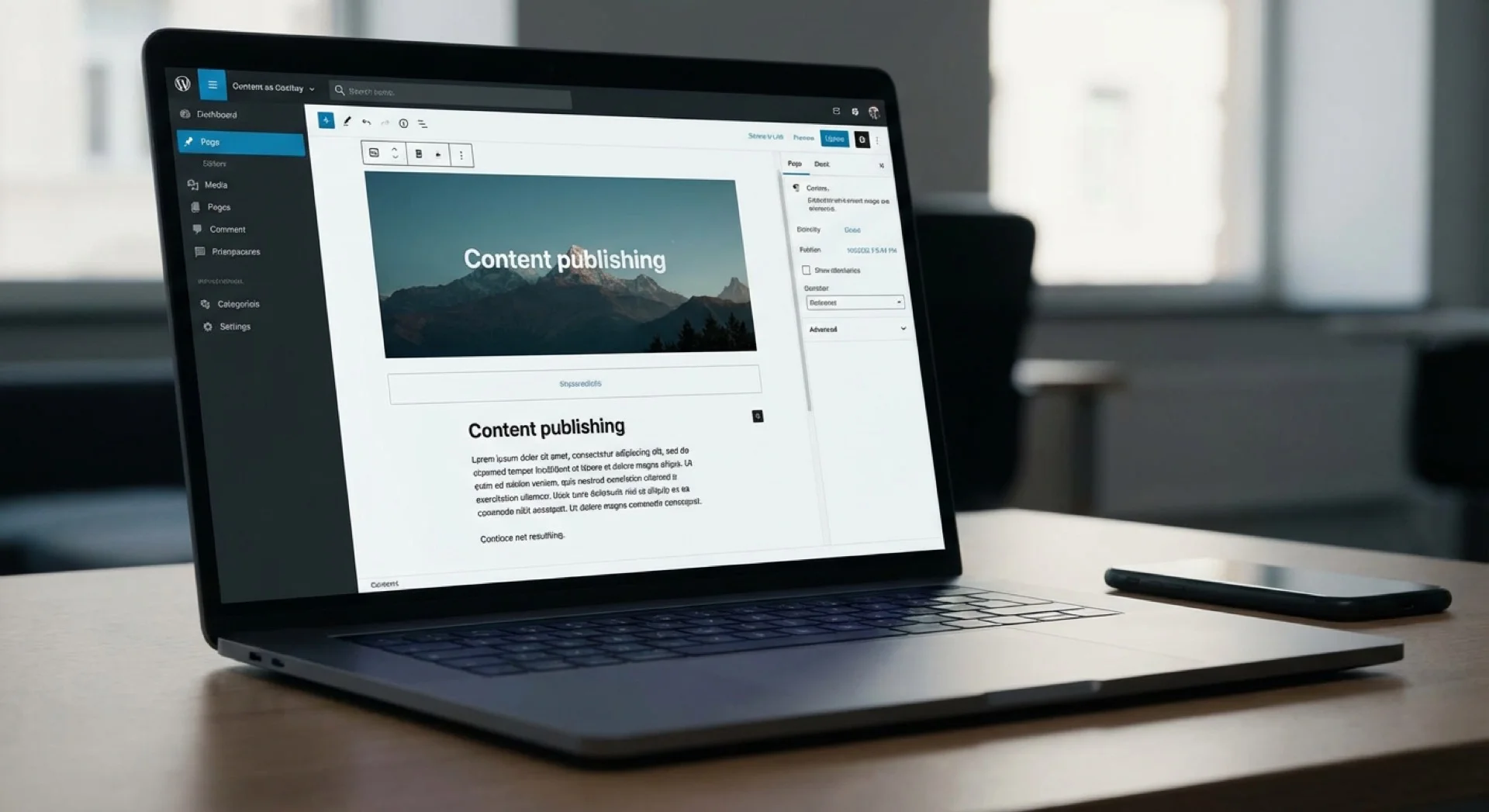
Media & publishing

Article drafts, translations and content curation that take load off editorial workflows.

E-commerce

Product descriptions, review summaries and personalised recommendations for a better shopping experience.

Pharma & healthcare

Drafts for documentation, reports and patient communication that relieve specialists, always with human approval.

Gaming & entertainment

Dialogue, storytelling elements, graphics and assets for games and interactive formats in the desired style.

Architecture & design

Design variants, visualisations and mood boards from text descriptions as a starting point for creative work.

(06)

Generative AI: example projects

Examples we can build for you

E-commerce

Product copy generator for an online shop

A system turns product data and images into descriptions in several languages and in your brand voice; an editor approves the texts before publication.

Multilingual · Brand voice via style guide · Human approval
Consulting & services

Drafts for proposals and reports

An assistant creates first drafts of proposals and reports from templates, CRM data and project notes, which specialists then only review and complete.

Goal: less manual writing time · Sources from the CRM · Template-based
Marketing

Image variants for campaigns

A pipeline generates motif variants in your corporate design, checks formats and stores approved images directly in asset management.

Style via fine-tuning · Format checks · Approval workflow
(07)

Generative AI: consulting in Berlin

Founder AI-native since
2024
Email
info [at] contextstudios [dot] ai

GenAI solutions for your business

Automate creative and analytical processes with generative AI: talk to us for 30 minutes about your project.