

Autonomous AI agents

AI Agent Development

AI agent development means building software that plans tasks on its own, uses tools and checks its results – instead of only answering questions. Context Studios, an AI-native development studio in Berlin, builds such agents with connections to your systems, clear permissions and human approval at the critical steps.

Brick railway signal box with a verdigris copper roof beside the tracks under an overcast sky – a metaphor for AI agents that control workflowsAI-generated image
Multi-agent systemsNative tool use & MCPLearning feedback loopsHuman-in-the-loop
  1. Workshop
  2. Setup
  3. Sprint
  4. Build & Support

Fixed price after scoping · proposal within 48 h

Last updated:

(01)

What are AI agents?

AI technology

AI agent development covers the design, implementation and operation of autonomous software systems based on large language models. An AI agent breaks a goal into intermediate steps, uses external tools, APIs and databases, evaluates interim results and adapts its strategy – going far beyond what a chatbot can do.

Specialisation
Autonomous agents, multi-agent systems, tool use, ReAct
Technologies
LangGraph, CrewAI, Claude tool use, MCP, Convex, Vercel AI SDK
Target group
Technology companies, innovation teams, process owners
Project duration
Goal: single agent in about 4–6 weeks, multi-agent systems typically 8–12 weeks
Compliance
GDPR-compliant, guardrails, audit trail, human-in-the-loop

Multi-agent systemsAI automationChatbot developmentAI assistant developmentAI workflow automation

(02)

What sets our AI agents apart?

Six core capabilities that set our agents apart from simple AI tools

(01)

Autonomous reasoning & planning

Our agents break complex tasks into sub-steps and create an execution plan. When results are unexpected, they adapt their strategy. The ReAct pattern (reason, act, observe) enables iterative problem-solving – much like an experienced employee.

(02)

Tool use via MCP

Our agents are not isolated chatbots — they interact with the real world. Through the Model Context Protocol (MCP) and custom tools they can call APIs, query databases, process documents and carry out actions in your business systems.

(03)

Multi-agent collaboration

For complex tasks we use specialised agents that work together. A researcher agent gathers information, an analyst agent evaluates it, a writer agent drafts the report and a reviewer agent checks the quality. Orchestration with LangGraph or CrewAI steers the workflow automatically.

(04)

Persistent memory & context

Conversation memory for long-term context, vector databases for knowledge storage and structured stores for learned domain knowledge. This lets an agent access earlier interactions and stored insights — even across sessions.

(05)

Guardrails & security

We implement guardrails on several levels: input validation against prompt injection, output filters against unwanted content, tool permissions with allowlists and automatic escalation for uncertain decisions. Humans always stay in control.

(06)

Self-improvement through feedback

Agents learn from every interaction: human feedback, corrections and performance data flow into a learning memory. Frequent errors are detected and prompt strategies adjusted. The agent becomes more precise over time without retraining any models.

(03)

How is a production-ready AI agent built?

  1. (01)

    Consultation

    Free 30-minute initial call via video. We get to know your process, identify suitable agent tasks and give you a first assessment of feasibility and timeline.

    Day 1
  2. (02)

    Proposal & planning

    You receive a written proposal with the agent's scope, tools and permissions, the timeline and a fixed price.

    Days 2–3
  3. (03)

    Development sprint

    Agile development with weekly demos. Goal: a working agent in about 4 weeks, with production-ready code, guardrails and automated tests.

    Weeks 1–4
  4. (04)

    Launch & support

    Production deployment with monitoring, complete documentation and 30 days of free bug fixing from final delivery. Maintenance and further development by agreement.

    Week 4+

Frequently asked questions about AI agents

(01)What distinguishes an AI agent from a chatbot?
An AI agent goes far beyond a chatbot: it plans tasks on its own, uses tools, interacts with external systems, evaluates interim results and adapts its strategy. It does not even need a human trigger – it can act proactively, monitor data and take action when defined conditions are met. A chatbot, by contrast, mainly answers questions in a dialogue.
(02)How secure are autonomous AI agents?
Security is a core concern. We implement multi-layered guardrails: tool permissions define which actions the agent may perform. Input and output filters detect prompt injection and unwanted content. Budget limits cap API costs. Human-in-the-loop requires human confirmation for critical actions, and every agent action is logged and remains traceable.
(03)What is a multi-agent system?
A multi-agent system consists of several specialised AI agents working together. Each agent has a defined role, much like specialists in a team. An orchestrator coordinates the collaboration, distributes tasks and brings the results together. The pattern is especially suited to complex workflows that combine research, analysis, content creation and review.
(04)Which tasks can AI agents take on?
Agents can take on many digital tasks: research and data analysis, document creation, email handling, actions in systems via APIs, software development, customer requests, data reconciliation and reports. The limits are physical work and decisions that require human judgement or legal responsibility – there, the agent prepares and a person decides.
(05)How do AI agents learn from experience?
Our agents use three mechanisms: conversation memory stores the interaction history for better context. A knowledge store in vector databases makes documents and experience searchable. Feedback loops carry human corrections into prompts, rules and test cases. This way the agents become more precise over time without the language models having to be retrained.
(06)What do AI agents cost to run?
Running costs consist mainly of API calls and hosting; API costs depend on the model and volume. With model routing, caching and budget limits we keep them predictable and transparent. We quote development according to scope, the number of tools and integrations: fixed price after scoping, proposal within 48 hours. A fixed-price workshop is a good way to start.
(07)Can AI agents work with on-premise systems?
Yes, via VPN tunnels, API gateways or agent runtimes operated on premises. For sensitive environments we offer hybrid architectures in which the agent core runs in your infrastructure and only anonymised requests go to cloud models. Alternatively, we run open-source models locally so that the interaction with your systems never leaves your network.
(08)How long does it take to develop an AI agent?
Goal: a single agent with defined tools and a clear scope is production-ready in about 4–6 weeks. Multi-agent systems with complex orchestration typically need 8–12 weeks. A first working prototype is usually available after about two weeks, so you can validate early, give feedback and adjust the scope if needed.
(09)Does Context Studios use its own AI agents internally?
Yes, it is everyday practice for us: our content workflow is orchestrated by a multi-agent system. Research agents analyse topics, writing agents create articles in four languages, SEO agents optimise content, and a human approves. The experience from this operation – failure patterns, costs, guardrails – flows directly into every client project.
(04)

Our technology stack for AI agents

(01)

AI & ML

Anthropic ClaudeOpenAI GPTGoogle GeminiOpen-Source LLMs (Llama, Qwen, DeepSeek, Mistral)ConvexRAG & Vector DBs (Pinecone, Weaviate)MCP (Model Context Protocol)Hugging Face TransformersComputer Vision (YOLO, SAM)ElevenLabs (Voice AI)Google Veo (Video AI)
(02)

Web & Mobile

Next.js 16 & React 19TypeScriptReact Native & ExpoTailwind CSS v4Shadcn/uiVercel Edge Runtime
(03)

Backend & Data

Node.js & Hono (Edge)PythonPostgreSQL & SupabaseConvex (Real-Time DB)RedistRPC & GraphQLOpenAPI 3.1
(04)

DevOps & Infrastructure

Vercel & AWSDocker & KubernetesCI/CD-Pipelines (GitHub Actions)OpenTelemetry & GrafanaLangfuse (LLM Monitoring)
(05)

AI agents for different areas of application

Software development

Coding agents write, test and deploy code. Review agents analyse pull requests and suggest improvements. DevOps agents monitor infrastructure and respond automatically to incidents.
Research & analysis

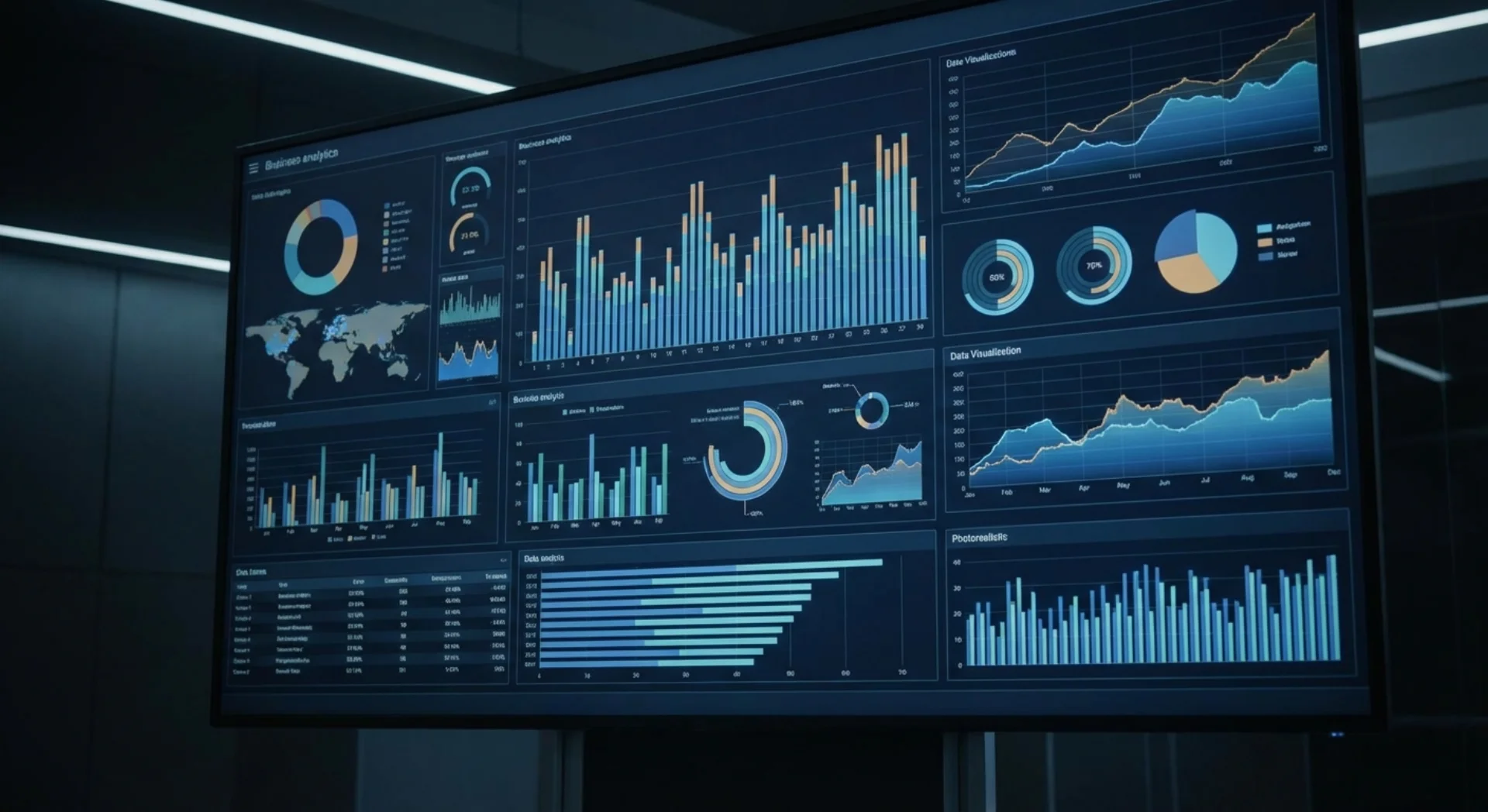
Agents search sources systematically, extract information and create structured reports. Competitive analysis agents monitor competitors continuously. Patent agents analyse relevant patent applications.

Sales & marketing

Lead qualification agents assess potential customers and generate personalised outreach. Content agents create blog posts, social media content and newsletters automatically. SEO agents identify keyword opportunities and suggest content optimisations.

Compliance & legal

Compliance agents monitor regulatory changes and assess their relevance. Contract analysis agents check contracts for risk clauses. Audit agents carry out compliance checks automatically.

Customer service

Service agents handle requests on their own, track orders and solve problems. Onboarding agents guide new customers through features. Retention agents spot churn risks early.
Data management

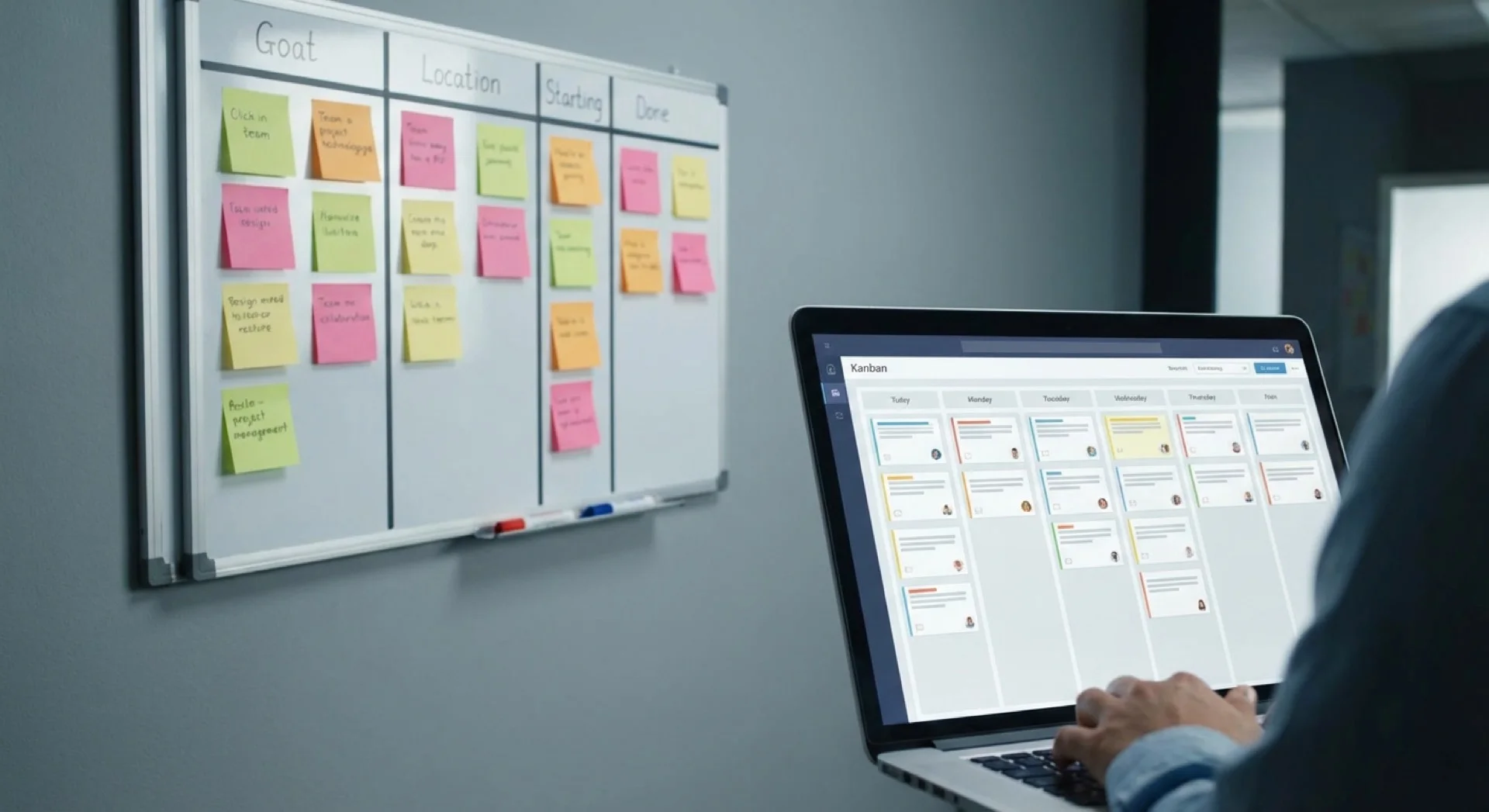
Data steward agents monitor data quality and report anomalies. ETL agents transform and validate data automatically. Reporting agents generate complete reports from natural-language requests.

(06)

Example projects

Examples we can build for you

Customer service

AI-powered support agent

An AI agent that understands natural-language requests, accesses internal knowledge bases and delivers answers automatically — around the clock.

Automated first response · Multilingual · Available 24/7
Knowledge management

RAG-based document system

An intelligent system with a RAG architecture that searches large document collections and delivers source-based answers in seconds.

Source-based answers · Fast search · Scalable
Process automation

Workflow automation with AI agents

Autonomous agents that automate recurring business processes — from data extraction to report generation.

End-to-end automation · Fewer errors · Time savings
(07)

AI agent development — consultation in Berlin

Founder AI-native since
2024
Email
info [at] contextstudios [dot] ai

AI agents for your company

Automate complex business processes with autonomous AI agents. Discuss your use case in a 30-minute call directly with the founder.