
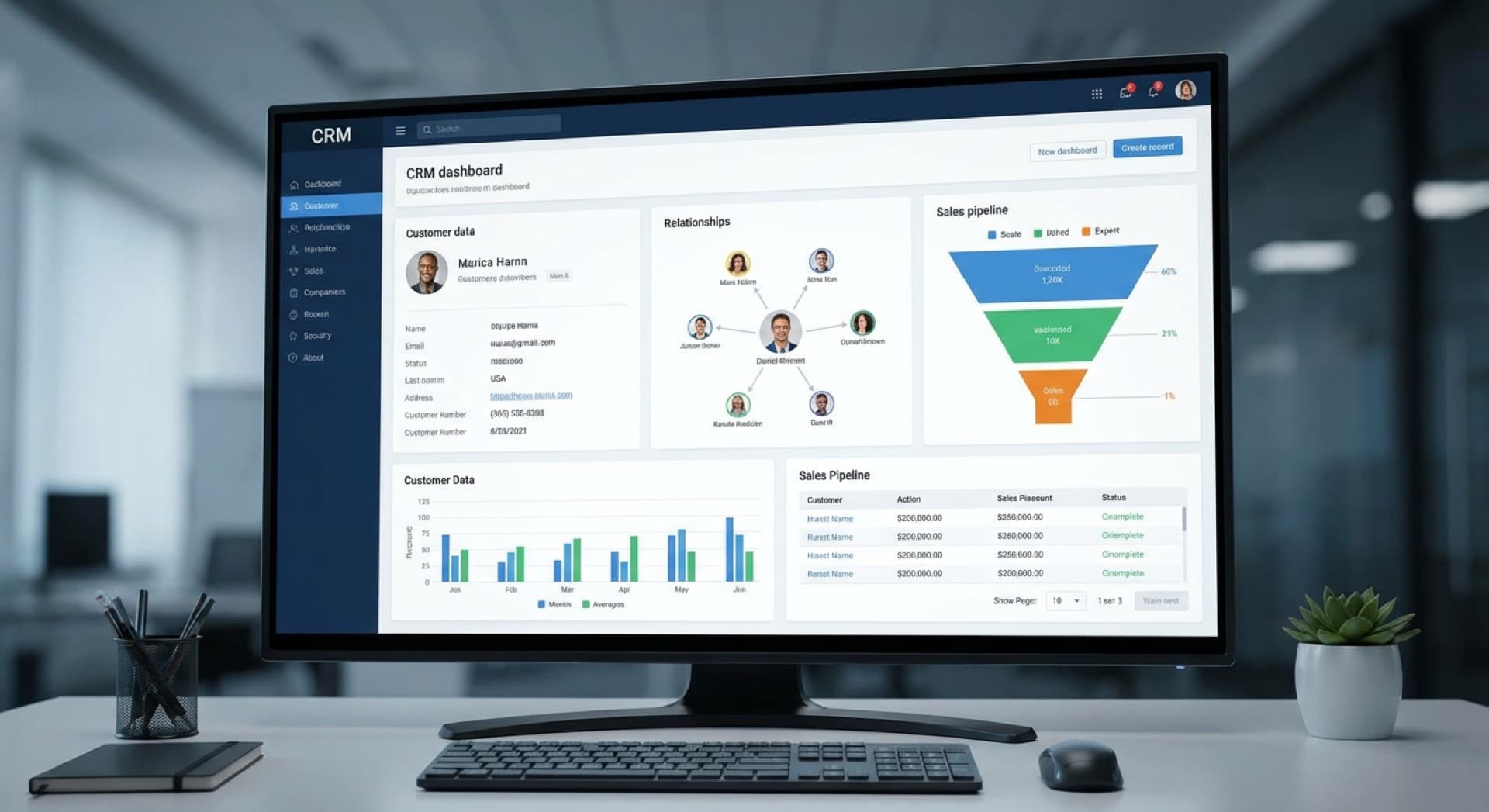
CRM System
(01)AI-powered CRM with autonomous sales agents, predictive deal scoring, and intelligent automation that works for you around the clock
Your goal
Be visible where AI answers
Automate processes
Build a product
Put AI agents to work
Connect and modernize systems
Know where we stand
Use Cases
CRMStrengthen customer relationshipsPopularE-CommerceBoost online revenueBooking System24/7 appointment bookingProject ManagementCoordinate teamsInvoicingGet paid fasterAnalyticsData-driven decisionsUse Cases
Last updated:
A capability describes what Context Studios can do technically — for example retrieval-augmented generation or multi-agent orchestration. A use case describes what that technique is used for concretely — a booking system for a dental practice, a quote generator for a plumber, or a multilingual product-description pipeline for a Shopify shop. This hub page collects common use cases we can implement, each with a described architecture, expected investment, and metrics by which success can be measured. For product managers and use-case owners this means you do not enter a discovery call with an open question — you can use our landing pages as a starting point and negotiate deviations from there. We intentionally avoid generic marketing vocabulary; every use case lists the concrete technologies involved. One example: our page on automated offer generation explicitly names the components — current language models for text generation, Puppeteer for PDF export, Convex as data layer, Stripe for payment processing. The MVP fixed fee covers most single-function-assistant use cases; more complex scenarios involving multi-agent coordination are priced separately after scoping.
Honest note: not every use case belongs with us. We regularly turn down engagements that either draw no technical benefit from AI or that repackage a classic software project in AI language. Pure CRUD applications without language input, document handling, or autonomous behaviour belong with a traditional software house — we then recommend partner studios from our network. We are equally critical of deepfake applications, automated candidate filters without a human in the loop, and any form of dark pattern. Our target universe are use cases in which an LLM or agent delivers a measurable productivity gain: summarising long documents, multilingual content production, semantic search in proprietary knowledge bases, voice interfaces for field service staff, automated quote generation. Each of those categories is documented on a dedicated landing page, including an honest discussion of limitations. If your use case is not listed but you feel it lives in a grey area, drop us a line — we get back to you with a plain go-or-no-go assessment.
Every use-case page follows a fixed structure so that you can orient quickly. After the hero with entity definition follows a chapter on the typical architecture — including a sketch of which components run locally, which in the cloud, and which as SaaS. We then describe the integration path: which systems the use case typically connects to, for example ERP (DATEV, Sage, Odoo), CRM (HubSpot, Pipedrive, Salesforce), or e-commerce platforms (Shopify, Shopware, WooCommerce). The page closes with a price range and timeline — usually four weeks for the MVP followed by two to three iterations of two weeks each. Particularly relevant for product managers: we ship a list of metrics per use case that you can use to measure success (for example first-response time, throughput, quality scores). We agree on those metrics upfront and export them to Grafana or to your existing monitoring. If you are looking for an entry point, sort the list by industry or by technical depth — and book a thirty-minute slot to harden the right use case.
AI-powered CRM with autonomous sales agents, predictive deal scoring, and intelligent automation that works for you around the clock

AI-native e-commerce platform that writes product descriptions, predicts demand, and deploys a 24/7 shopping assistant that converts browsers into buyers
AI-powered booking agent that handles calls 24/7, schedules appointments via chat or voice, and predicts no-shows – a target we measure together in the project: up to 40% fewer empty slots
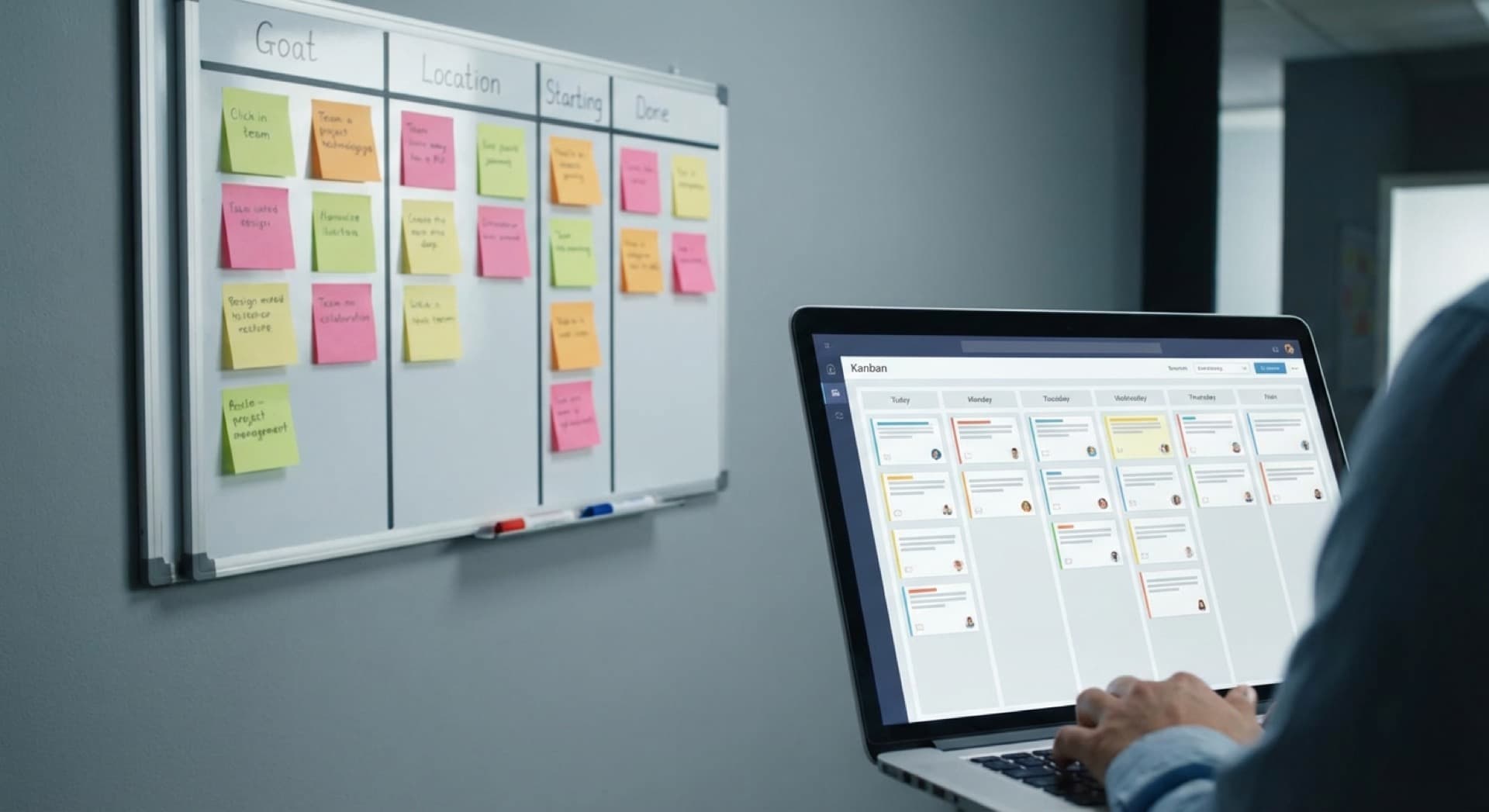
Project management that thinks ahead - AI analyzes your project in real-time, predicts delays before they happen, and auto-generates status reports from team activity
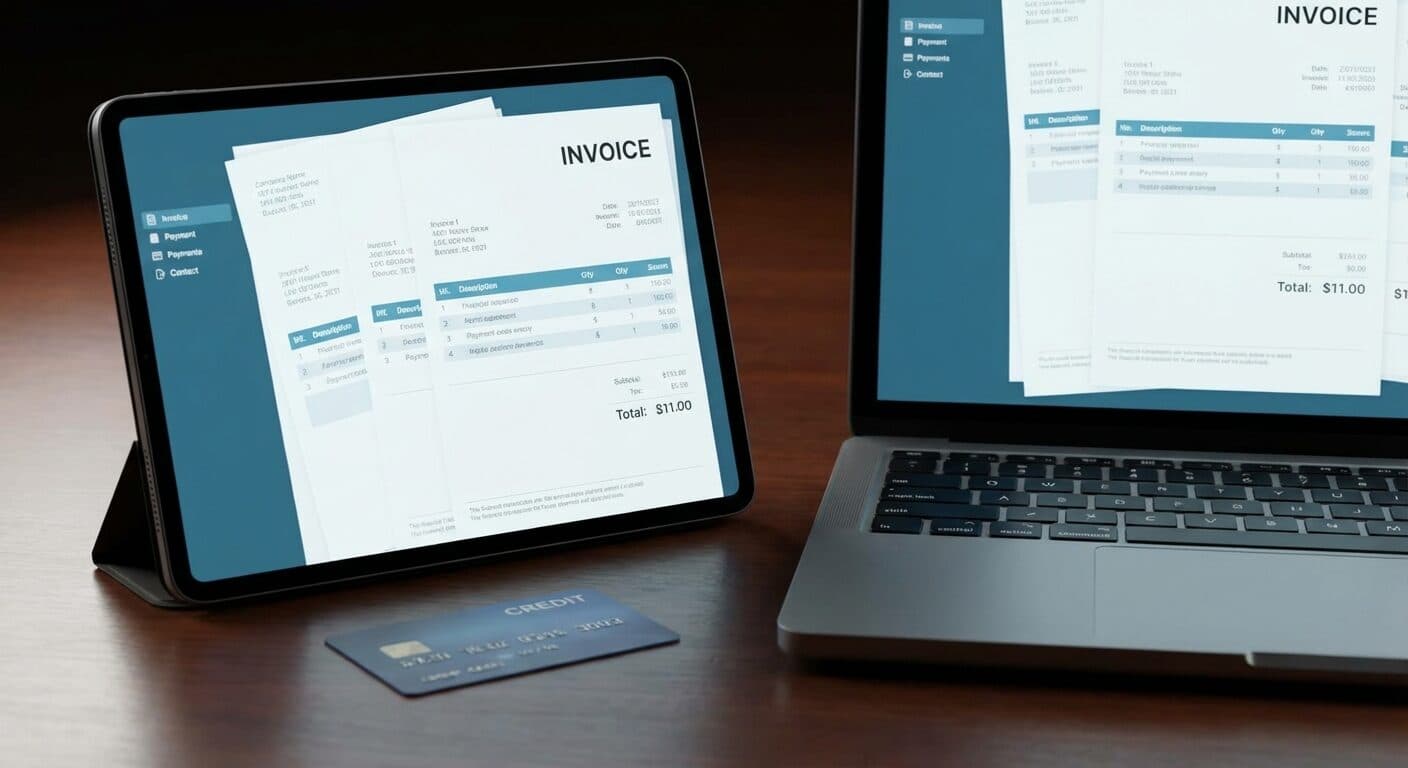
From contract signature to cash in bank—fully automated. AI reads contracts, generates invoices, predicts payment timing, and chases late payers so you don't have to
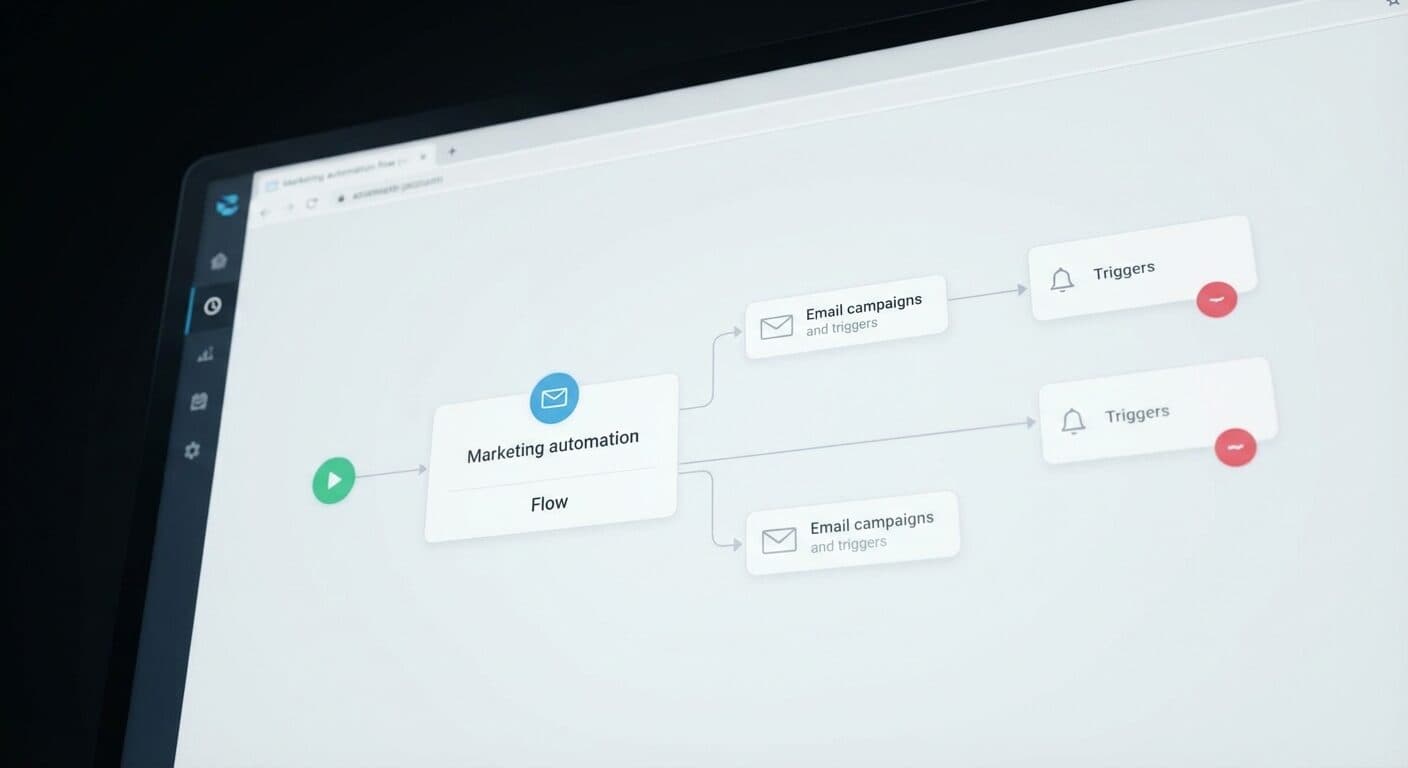
Automate email campaigns, lead nurturing, and marketing workflows

Stop drowning in dashboards. AI data analyst monitors your business 24/7, alerts you to anomalies, and answers questions like 'Why did conversion drop?' in plain English
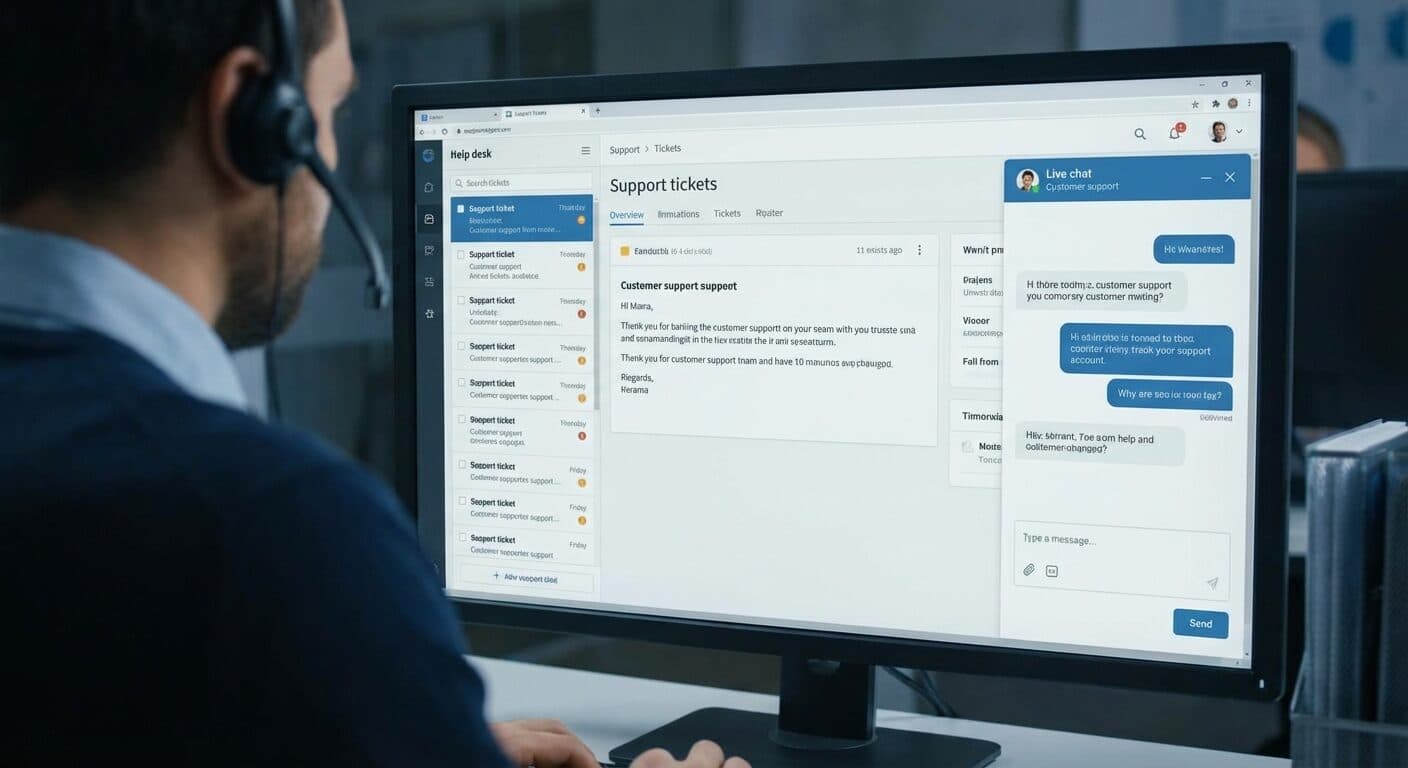
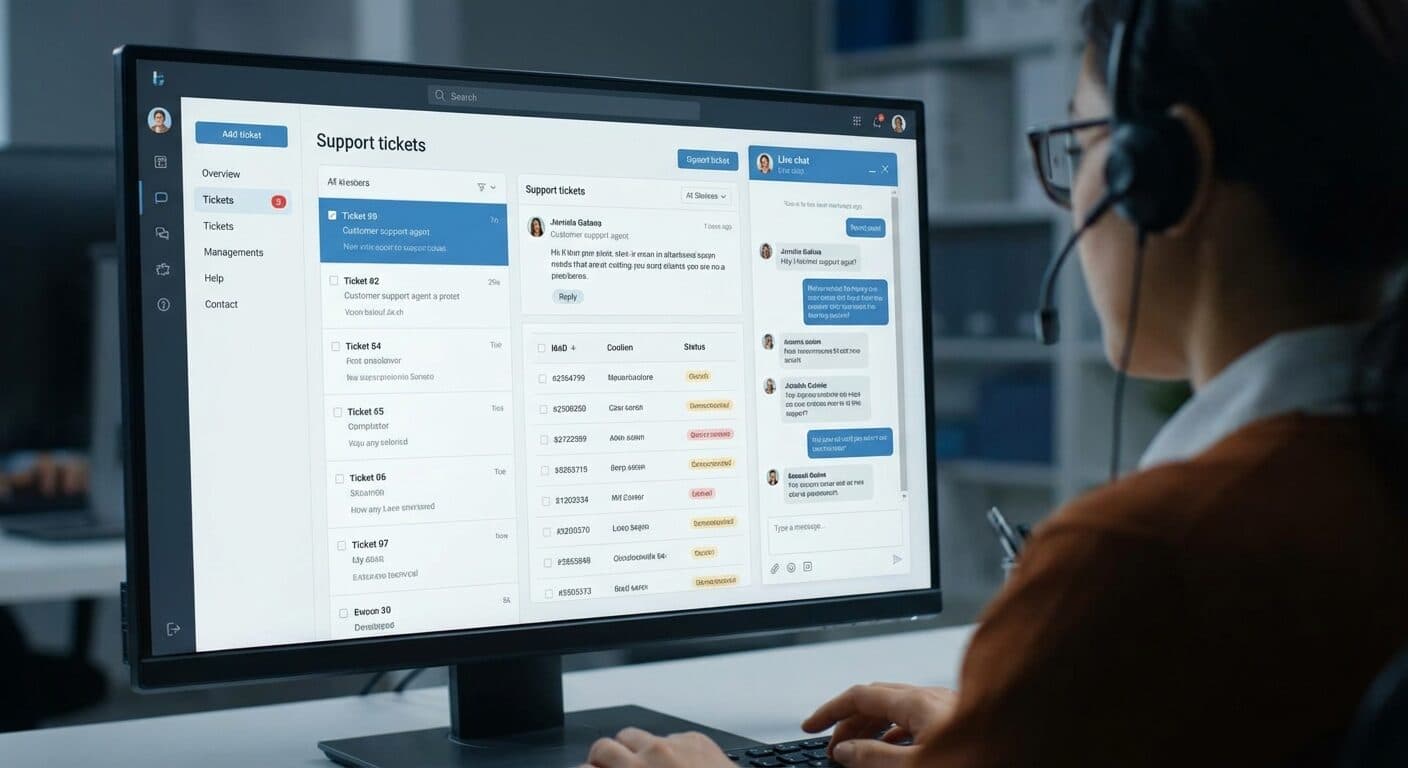
Support that scales without headcount. AI agent resolves standard tickets on its own – a target we measure together in the project: up to 70% – with full context, empathy, and the ability to take action like issuing refunds
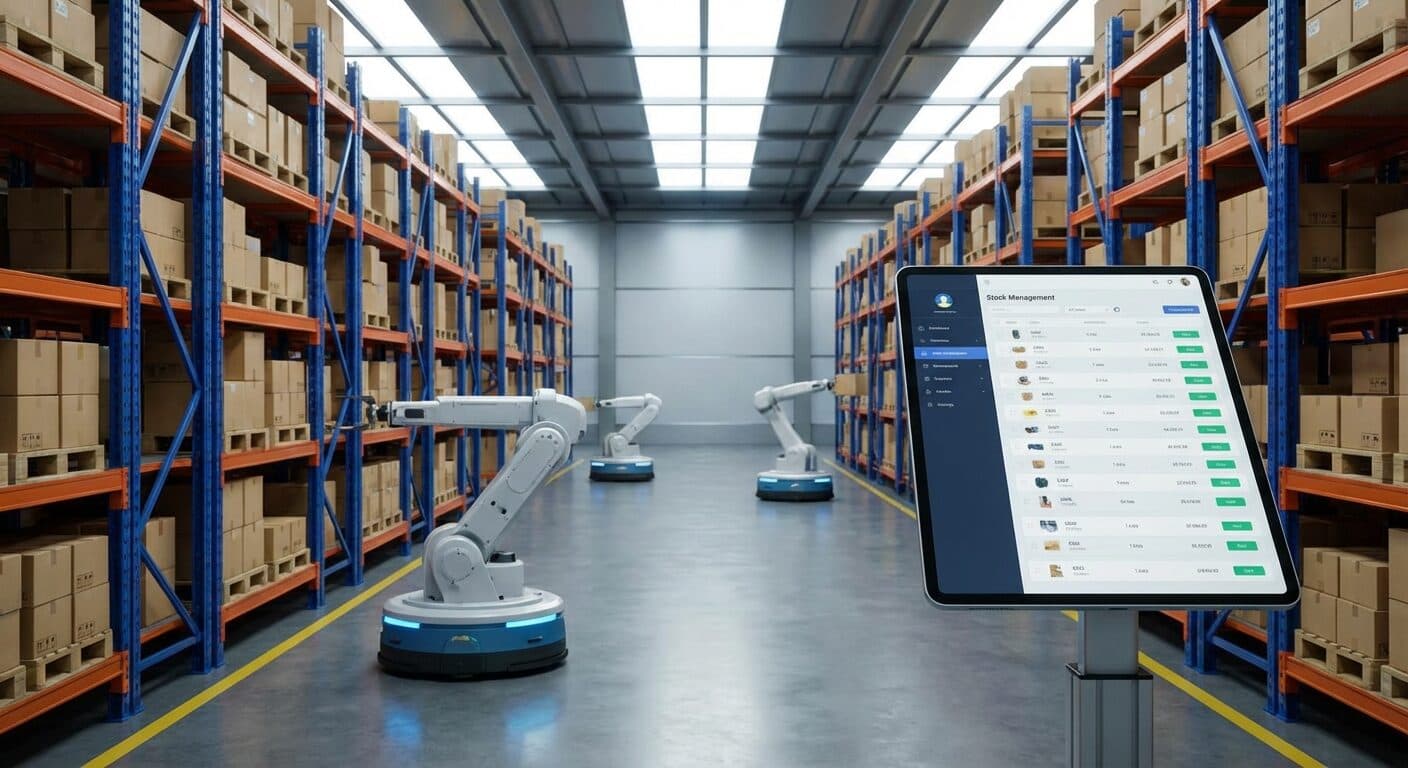
AI-powered inventory that manages itself - predicts demand, prevents stockouts, and automatically reorders (a target we measure together in the project: up to 25% lower carrying costs)
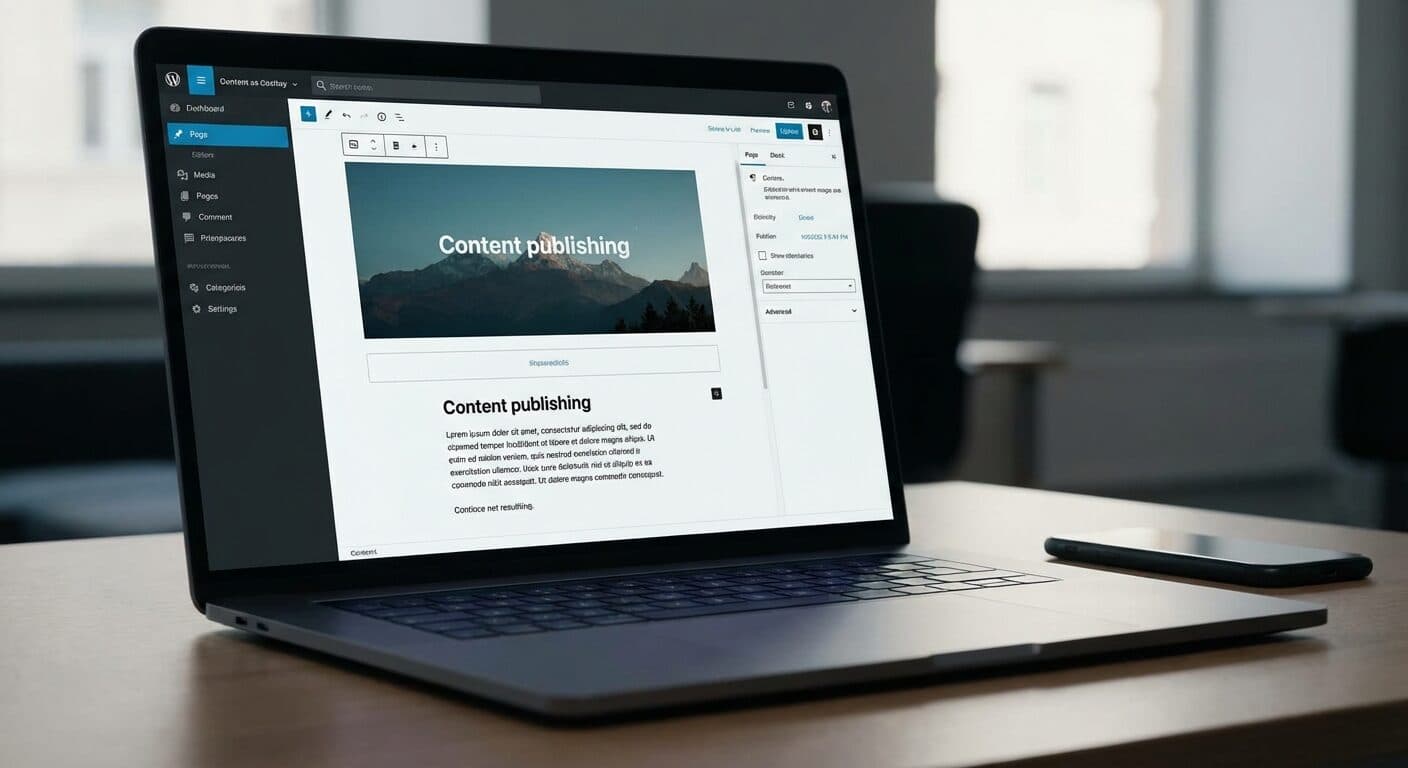
A CMS with a built-in content team. AI writes drafts, optimizes for SEO, auto-translates for global markets, and predicts which content will perform
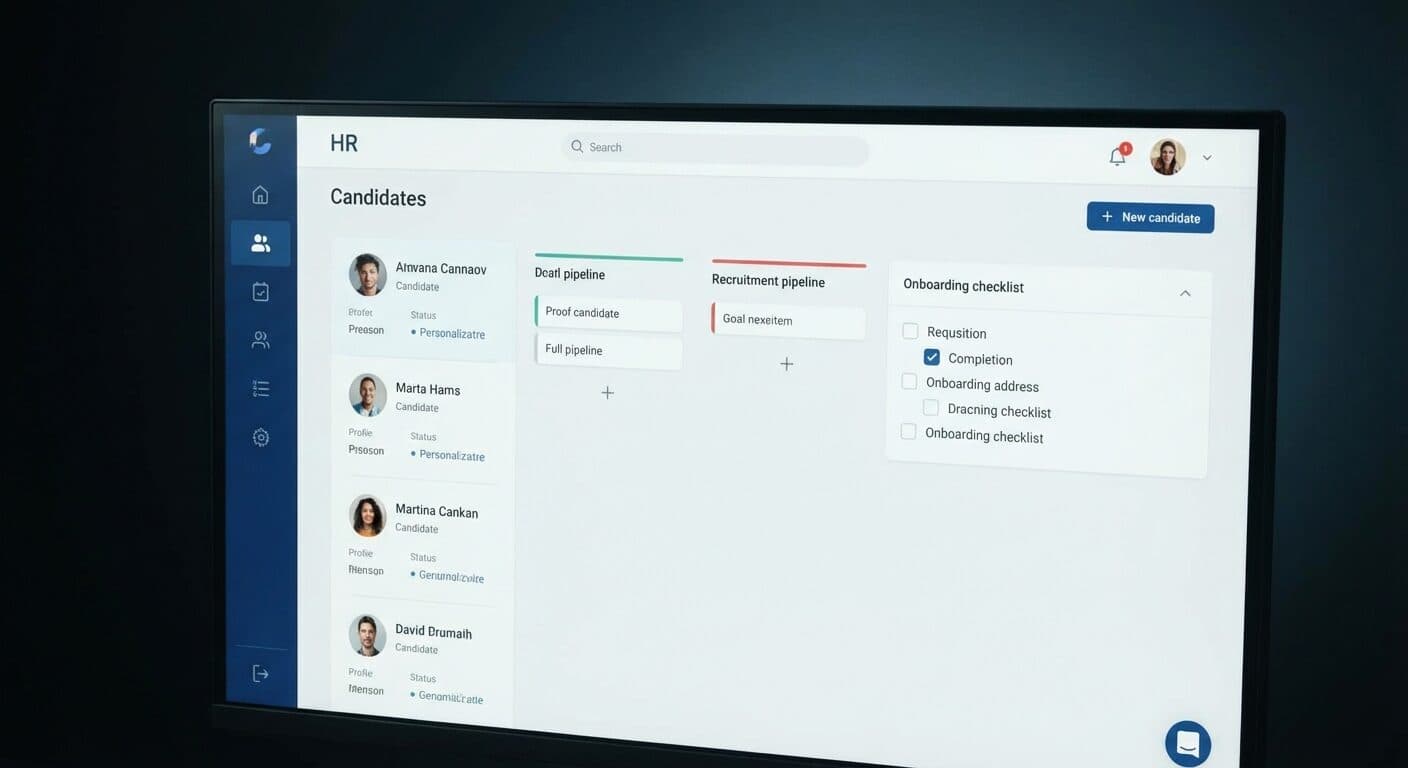
Recruiting that runs 24/7. AI recruiter sources candidates, screens resumes, conducts initial assessments, and schedules interviews—while your team focuses on final decisions
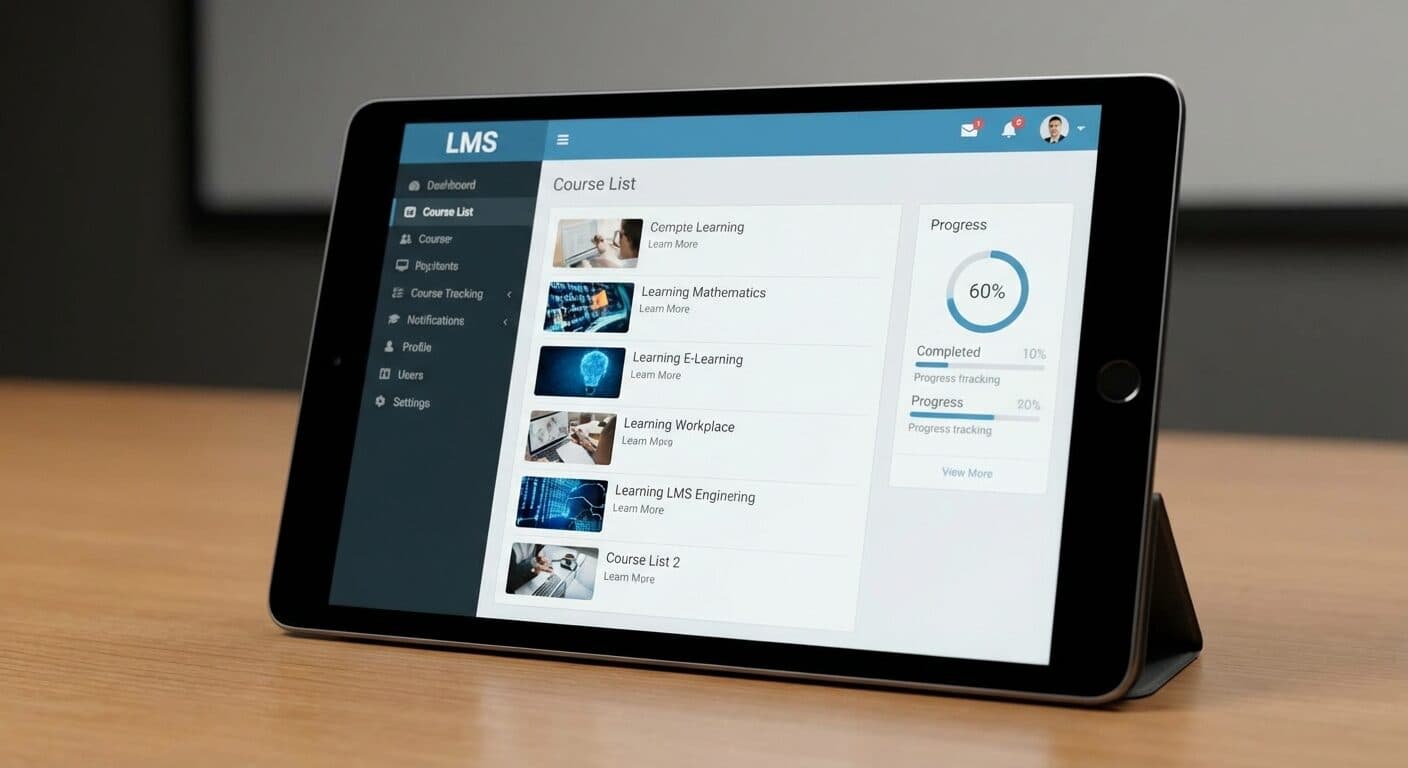
Every employee gets a personal AI tutor. Adaptive learning paths, instant answers to questions, and courses that build themselves from your existing documentation
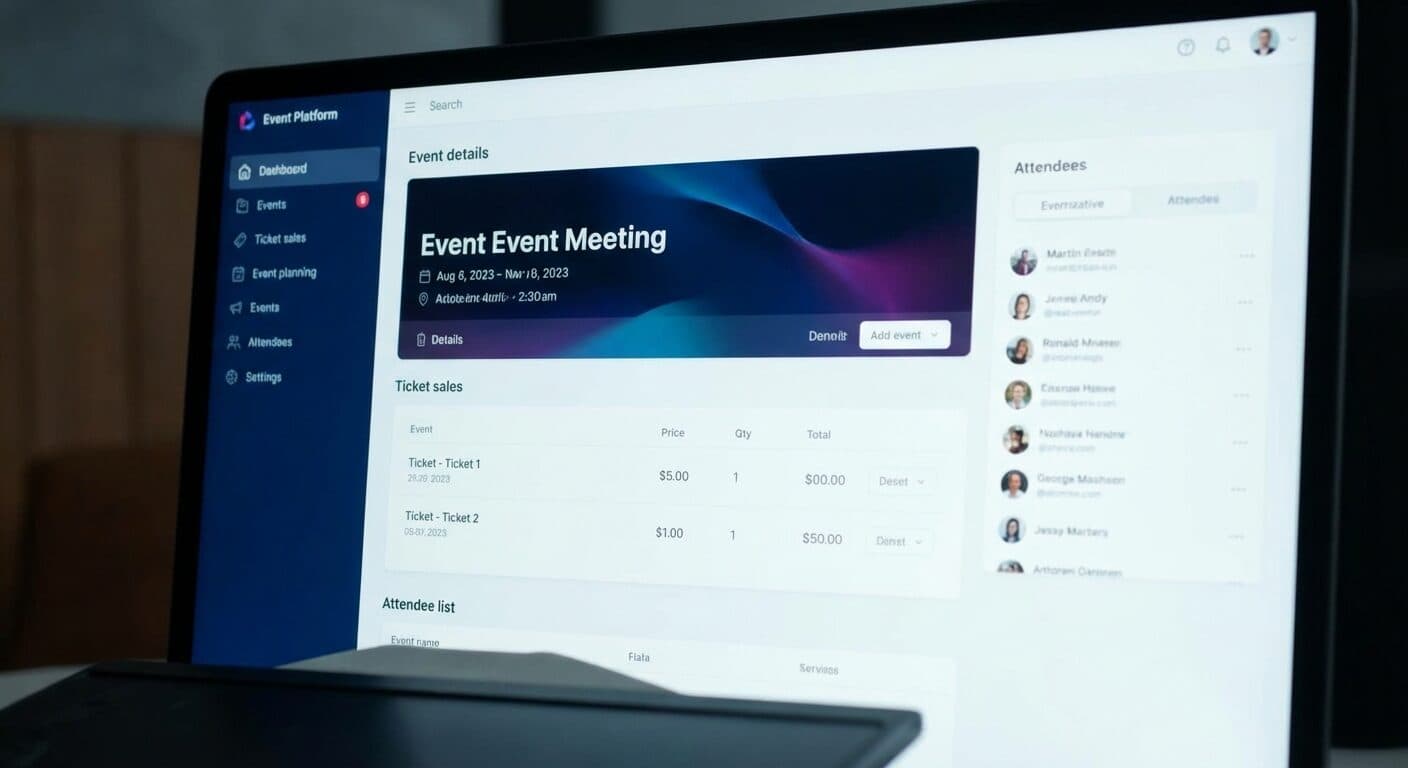
Events that run themselves. AI handles registration, matches attendees for networking, and provides every guest with a personal concierge

Payment security that thinks like a fraudster—but faster. Real-time ML scoring, behavioral analysis, and AI that fights chargebacks automatically
AI-powered ticketing with auto-resolution, predictive escalation, and 360-degree customer context
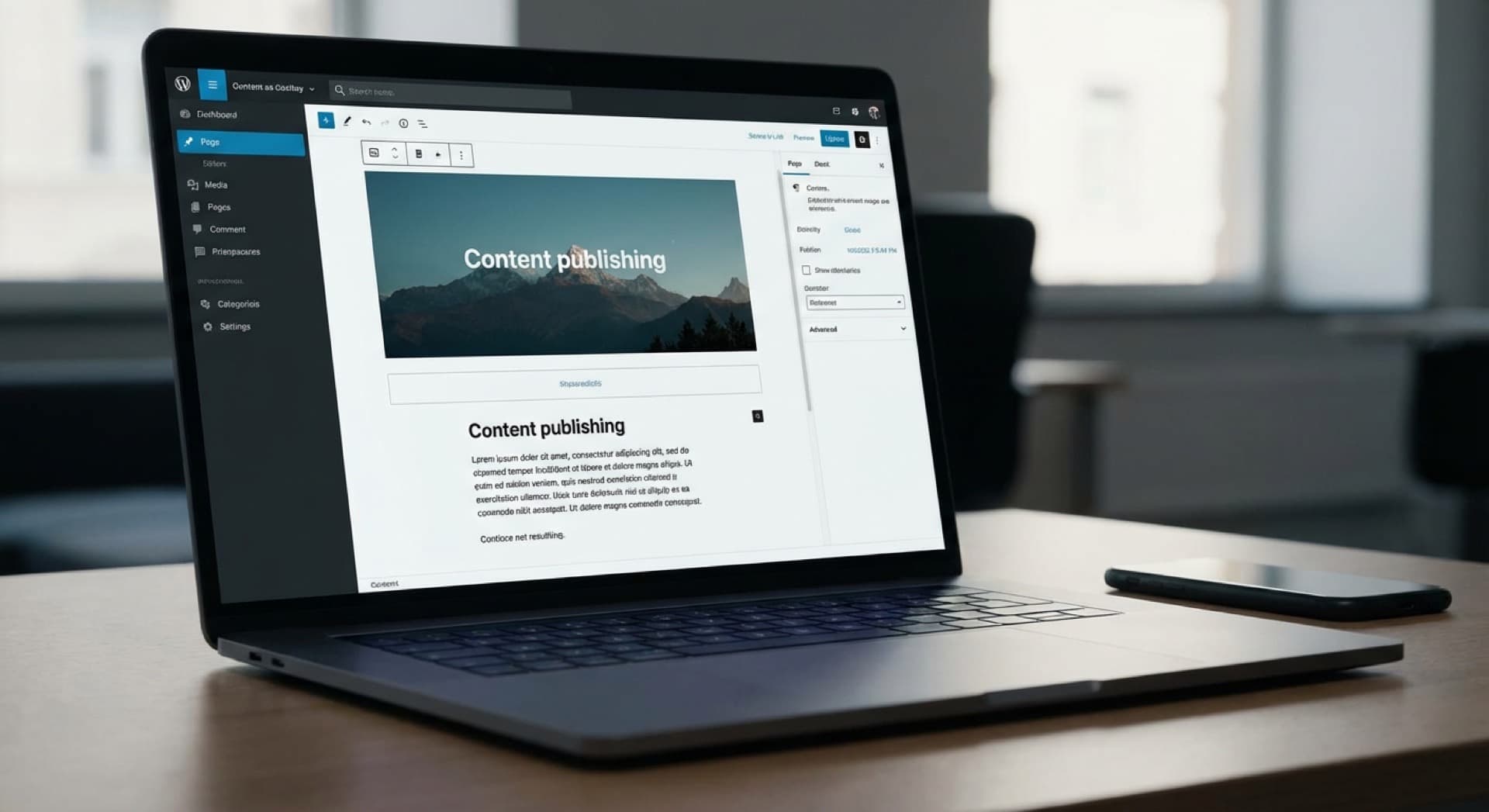
Publish once, reach everywhere. AI adapts your content for every channel, optimizes timing, and even writes social posts that sound like your brand

Retain your best people. AI predicts flight risk, recommends development paths, and identifies future leaders—before your competitors do
Let's talk about your specific requirements. We develop custom solutions for every need.