

Minimum viable product with AI

MVP Development with AI: Test Fast What Users Really Need

MVP development with AI means we build the smallest version of your product that real users can use and that proves its core value with AI features. Context Studios, an AI-native development studio in Berlin, combines lean startup methods with production-ready code. Goal: a testable MVP in approx. 4–8 weeks, without over-engineering.

Experimental residential building of stacked, offset timber modules seen from below, one module clad in patinated copper – a symbol of a product that grows block by blockAI-generated image
Goal: MVP in approx. 4–8 weeksAI features from the startBuild → Measure → LearnCode as the basis for scaling
  1. Workshop
  2. Setup
  3. Sprint
  4. Build & Support

Fixed price after scoping · proposal within 48 h

Last updated:

(01)

What is an AI MVP?

AI service

An AI MVP (minimum viable product) is the smallest possible version of a product that contains AI features and can be used by real users. It serves validation following the lean startup method (Build → Measure → Learn): does the product solve a real problem, do people use the AI features, and does a viable business model emerge?

Duration
Goal: approx. 4–8 weeks to go-live
Method
Lean startup + agile sprints
Tech stack
Next.js, Convex, Claude, GPT, Vercel
Goal
Market validation, first users, investor readiness

AI Prototype DevelopmentAI PoC DevelopmentAI App DevelopmentAI Product Development

(02)

What does an AI MVP from Context Studios include?

Everything you need for your market launch, and nothing you don't

(01)

Production-ready, not demo-ready

Our MVP is not a click dummy. It is a working application with authentication, error handling, monitoring and automated deployment, ready for real users.

(02)

AI as a core feature, not a gimmick

The AI component is not bolted on afterwards but a central part of the product: intelligent search, generative features or automated workflows, whatever creates the core value.

(03)

Fast iteration after launch

A modular architecture makes it possible to react quickly to user feedback after launch. New features, prompt adjustments and interface improvements can be shipped in short cycles.

(04)

Built-in analytics from day one

PostHog, Vercel Analytics or custom events: we measure user behaviour from the start. Data-driven decisions instead of gut feeling – which features are used, and where do users drop off?

(05)

High-quality design on an MVP budget

With proven component libraries such as shadcn/ui and Tailwind CSS, we create a high-quality interface that builds trust, without the cost of a dedicated design sprint.

(06)

Scalable architecture

The MVP code is not designed for a handful of test users. The architecture with Next.js, Convex and Vercel scales with growing usage, so growth does not require a complete rebuild.

(03)

How is an MVP built in four steps?

From the initial call to launch with real users.

  1. (01)

    Initial call

    Free 30-minute initial call by video. We clarify the product idea, target group and the most important assumption the MVP should test, and give you a first assessment of feasibility and timeline.

    30 minutes
  2. (02)

    Scope and proposal

    Together we decide which features belong in the MVP and which can wait. You receive a written proposal with scope, timeline and fixed price.

    after scoping
  3. (03)

    Development in sprints

    Agile development with weekly demos. Goal: a working MVP in approx. 4–8 weeks, with production-ready code, automated tests and built-in usage tracking.

    Goal: approx. 4–8 weeks
  4. (04)

    Launch and learn

    Production deployment with complete documentation and 30 days of free bug fixing from final delivery. Afterwards we evaluate usage; further development by agreement.

    afterwards

Frequently asked questions about MVP development

(01)What is an MVP and why do I need one?
A minimum viable product is the simplest version of a product that delivers value to real users. You need an MVP to test your most important assumptions in the market before putting budget into the full product: does the problem really exist, does your approach solve it, and are users willing to pay for it or change their behaviour?
(02)How much does an AI MVP cost?
Costs depend on the feature scope, the type of AI features, the required integrations and the requirements for design and data protection. On top come running costs for hosting and model calls, which grow with usage. Because an MVP is deliberately kept small, the scope can be narrowed down well: fixed price after scoping, proposal within 48 hours.
(03)How is an MVP different from a prototype?
A prototype shows how something could work and is mainly used for demonstration. An MVP actually works: real users, real data, real accounts. That is why our MVP includes authentication, error handling and monitoring. If you first only want to test technical feasibility, a proof of concept or prototype is the more suitable, smaller step.
(04)Can the MVP later be scaled into the full product?
Yes, that is the plan. The architecture with Next.js, Convex and Vercel is designed for growth from the start. New features are added modularly without rewriting existing code. The MVP is the foundation, not a throwaway experiment. You receive the exclusive rights of use to the code under section 5 of our terms and can also keep building with your own team.
(05)Which features belong in the MVP and which don't?
The MVP contains what proves the core value of the product, and nothing else. No elaborate admin areas, no multilingual support, no complex onboarding unless they are needed for the test. The lean principle is: what is the minimum needed to learn the most? We work out this boundary together during scoping.
(06)Can I use the MVP to convince investors?
Yes, that is one of the most common reasons for an MVP. A working product with real usage data usually convinces investors far more than a pitch deck, because it shows that team and idea can demonstrate execution and demand. It is important to measure the metrics investors care about from the start, such as activation and retention.
(07)Does Context Studios also build native mobile apps as an MVP?
For MVPs we usually recommend web apps or progressive web apps: faster development, no app store review and instant updates for all users. If native features are required, such as camera, push notifications or offline use, we develop with React Native and Expo. We clarify which option fits during the initial call based on your target group.
(08)What happens after the MVP launch?
After launch we evaluate usage data and feedback and plan the next iterations together with you: which features are used, where do users drop off, what is missing? On this basis you decide whether to expand, change course or stop. Maintenance and further development take place by agreement, in-house or with us.
(09)How quickly can the MVP start?
Kick-off usually takes place one to two weeks after the contract is signed, depending on availability on both sides. The first phase covering scope, design and planning typically takes about one week, after which development starts in sprints. We agree the specific start date with you after scoping.
(10)What if requirements change during development?
Changes are normal and welcome in MVPs, because that is exactly what the lean approach is about. We absorb small adjustments in the current sprint. Larger changes in scope are handled transparently as a change request, with an adjusted timeline and budget. That way it is always clear what is being built and what it means.
(11)What is included in an AI MVP?
A working web application with real AI features, user login, onboarding, usage tracking, responsive design, the complete source code and technical documentation. Optional additions are payment integration, a waiting list and email notifications. We define during scoping which building blocks your MVP really needs, so no budget goes into side issues.
(12)How do you make sure the AI in the MVP adds real value?
Before launch we test the AI features with your real use cases and assess quality and error patterns. In the MVP, feedback buttons collect ratings of the AI results, and usage tracking shows whether users actually use the features. That way you can see objectively where the AI helps and where it needs refining.
(04)

What do we build AI MVPs with?

(01)

AI & backend

ClaudeGPTLangGraphVercel AI SDKPython/FastAPI
(02)

Frontend & UI

Next.jsReactTypeScriptTailwind CSSshadcn/ui
(03)

Database & real-time

ConvexRedis (Caching)PostgreSQLS3 (Storage)
(04)

Deployment & monitoring

VercelGitHub ActionsSentryPostHogClerk (Auth)
(05)

Who benefits from an AI MVP?

SaaS & B2B software

AI features as a differentiator: intelligent search, automated reports or chat assistants for products that need explaining. The MVP tests whether customers are willing to pay for these features.

Startups (pre-seed / seed)

The MVP as the basis for the funding round: a working product with an AI core usually convinces investors more than a slide deck. Goal: from concept to a presentable product in approx. 4–8 weeks.

Internal tools for companies

MVP for internal pilot projects: AI-powered knowledge management, automated document processing or intelligent dashboards. Fast validation before the budget for the rollout is released.

E-commerce & marketplaces

AI product recommendations, intelligent search or automated product descriptions as an MVP. An A/B test against the existing solution shows early on whether expanding it is worthwhile.
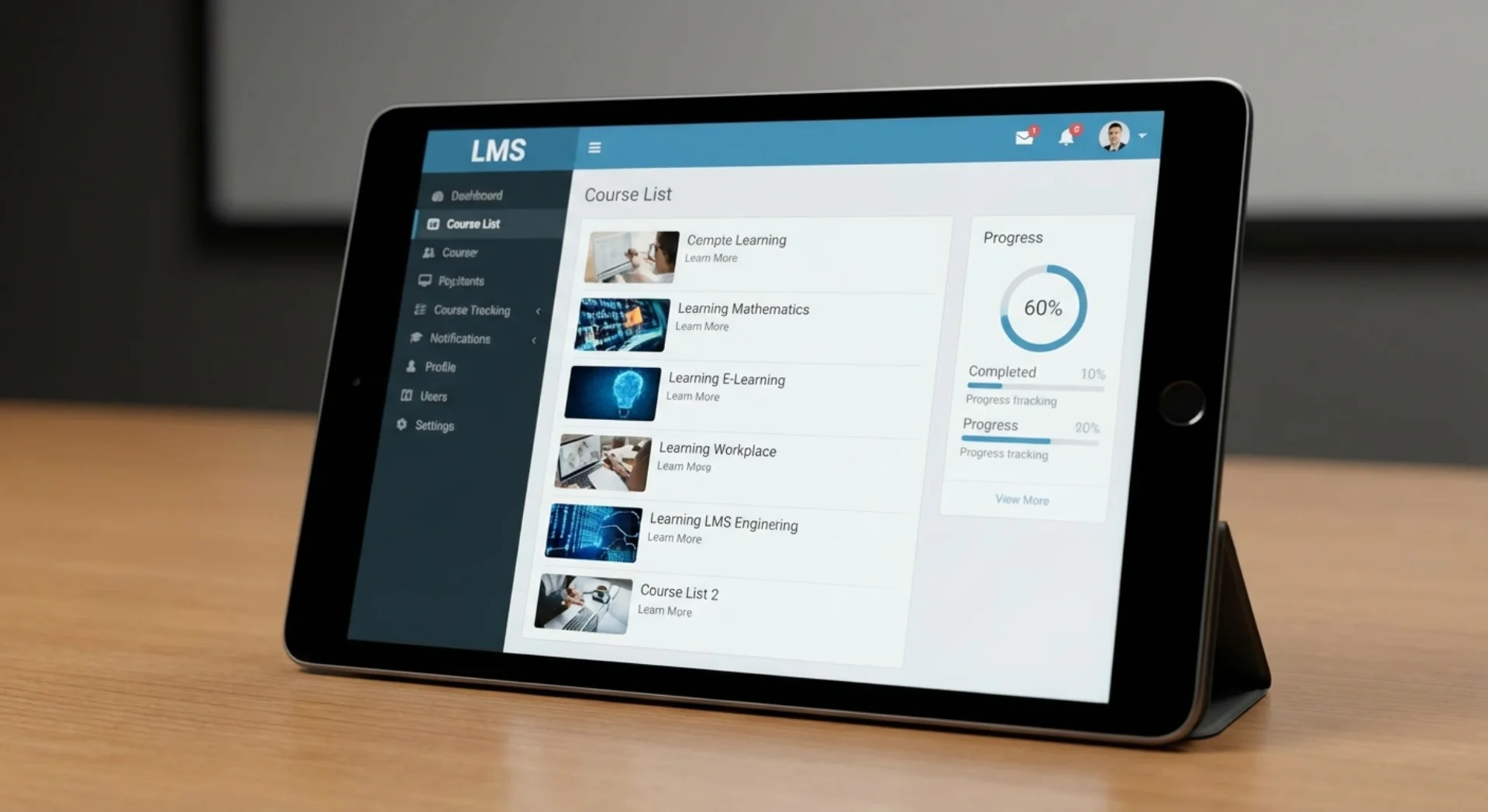
Education & EdTech

Adaptive learning platforms, AI tutors or automated assessment of exams as an MVP. Fast validation with a pilot group of learners before investing in scaling.
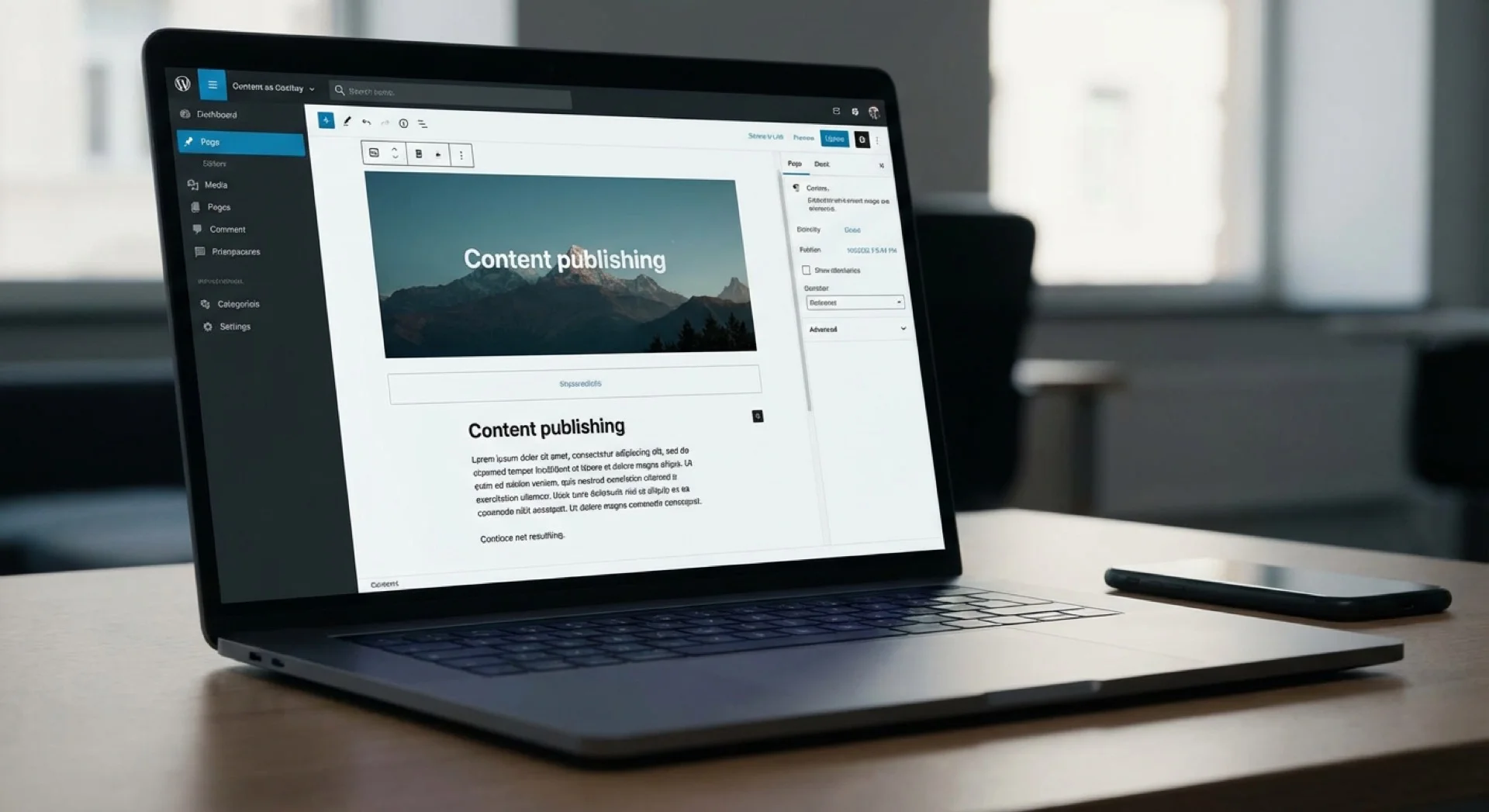
Content & media

AI-powered content platforms, automated summaries or personalised media formats as an MVP. Content AI products can be built quickly and validated with real users.

(06)

Examples of AI MVPs

Examples we can deliver with you. Stated results are targets.

SaaS

MVP of an AI support assistant

An assistant that answers customer requests in natural language, accesses the product documentation and hands difficult cases over to the team; tested in the MVP with a few pilot customers.

Goal: measure usage by pilot customers · Multilingual · Available 24/7
Knowledge management

MVP of a knowledge platform with RAG

A platform that searches large document collections and delivers answers with source references, as a first product for a clearly defined target group.

Source-based answers · Feedback per answer · Goal: test willingness to pay
B2B software

MVP of a workflow tool with AI agents

A tool in which AI agents take over recurring steps such as data extraction and reporting; the MVP tests which steps users really hand over.

Goal: activated users per week · Human-in-the-loop · Usage tracking from the start
(07)

MVP development in Berlin-Charlottenburg

Founder AI-native since
2024
Address
Kaiser-Friedrich-Str. 6, 10585 Berlin
Email
info [at] contextstudios [dot] ai

Which assumption should your MVP prove?

Tell us about your idea in a free 30-minute call directly with the founder. We will show you how it can become a testable AI product. No obligation.