

Banking & insurance
Prototypes for advisory tools, claims handling or risk assessment. Regulated industries benefit particularly from an early prototype, because compliance requirements can be validated early.
Your goal
Be visible where AI answers
Automate processes
Build a product
Put AI agents to work
Connect and modernize systems
Know where we stand
Use Cases
CRMStrengthen customer relationshipsPopularE-CommerceBoost online revenueBooking System24/7 appointment bookingProject ManagementCoordinate teamsInvoicingGet paid fasterAnalyticsData-driven decisionsPrototyping
An AI prototype shows within a short time whether your AI idea works: as an interactive application with real AI models and your data instead of a slide deck. Context Studios typically builds such prototypes in 10–15 working days. This lets you convince management and investors and make well-founded decisions before investing in full development.
Fixed price after scoping · proposal within 48 h
Last updated:
An AI prototype is a working demonstration of an AI solution that makes the interplay of interface and AI model tangible with real data, but with simplified infrastructure and a limited feature set. It serves as a basis for decisions: stakeholders see the AI in action, and domain experts assess the quality of the results.
MVP developmentAI PoC developmentAI product developmentAI feasibility studyAI consulting
Six advantages of the prototype-first approach
Slide decks and technical concepts rarely convince. An interactive prototype instead shows the solution in action – with real data and real AI results. Stakeholders experience the solution instead of just reading about it.
Our goal is an interactive prototype in 10–15 working days. With pre-built components, proven AI integrations and a deliberately focused scope, we reach this pace without compromising on the quality of the results.
If the prototype shows that the AI does not deliver the desired quality, you get clarity early, before larger budgets flow into full development. Even a negative result is therefore a valuable basis for decisions.
With a prototype, everyone involved – from the business unit and IT to management – can evaluate the AI solution and give feedback. Misunderstandings and differing expectations become visible before they lead to costly changes in the development phase.
For startups and corporate ventures, a working prototype is a convincing part of any pitch. Investors can experience the technology live instead of just seeing slides.
The prototype delivers valuable technical insights: which AI models deliver the best results? Which response times are achievable? Where are the limits of the technology? These insights feed directly into the architecture of full development and avoid detours later on.
Free initial call via video. We get to know your business, identify AI potential and give you a first assessment of feasibility and schedule.
Day 1You receive a written proposal with scope, schedule and fixed price for the prototype, including the two or three core scenarios it should show.
Days 2–3We build the prototype with real AI models and your (anonymised) data and align interim results with you at short notice. Goal: an interactive prototype in about 10–15 working days.
Weeks 1–2A live presentation explaining the AI logic, written documentation of the findings and a go/no-go recommendation with a roadmap for the next steps.
Week 3Prototypes for advisory tools, claims handling or risk assessment. Regulated industries benefit particularly from an early prototype, because compliance requirements can be validated early.

Prototypes for clinical decision support, literature research or patient communication. In medicine, the prototype is particularly valuable for demonstrating the AI to physicians and regulators and obtaining early feedback.
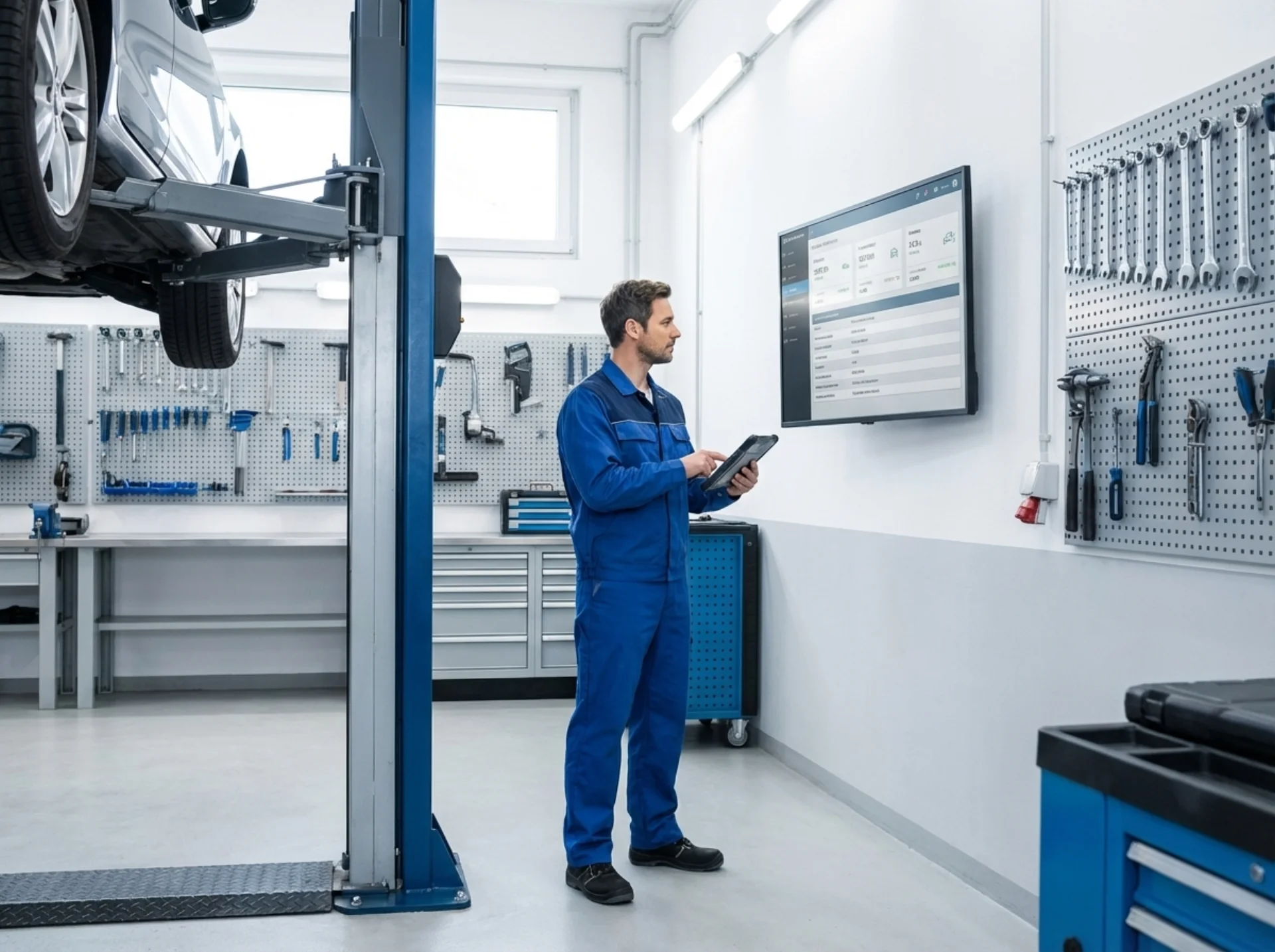
Prototypes for visual quality control, predictive maintenance or intelligent production planning. In the demo, the prototype shows real image recognition with your products.

Consultancies can use prototypes to present AI approaches to their clients visually. Instead of explaining abstract concepts, consultants show their clients a working prototype – which builds trust and speeds up decisions.

Prototypes for intelligent store planning, assortment optimisation or customer insights. Store managers and regional directors can test the AI recommendations live right away.

Prototypes for citizen service chatbots, automated application processing or intelligent records management. In the public sector many stakeholders need to be convinced – an interactive prototype creates a shared understanding across all levels of hierarchy.
Examples we can build for you
A prototype for an intelligent support agent that understands customer requests in natural language, accesses internal knowledge bases and answers automatically – around the clock.
A prototype of a RAG system: an intelligent knowledge system that searches large document collections and delivers source-based answers in seconds.
A prototype for autonomous AI agents that automate recurring business processes – from data extraction to reporting.
Goal: a prototype in about 2 weeks. See how your AI solution will work – book a free 30-minute briefing call.
Context Studios · Kaiser-Friedrich-Str. 6 · 10585 Berlin