

AI agent teams

Multi-Agent Systems

Multi-agent systems distribute complex tasks across specialised AI agents that work together like a team: researching, analysing, writing and checking each other's work. Context Studios, an AI-native development studio in Berlin, builds such agent teams with orchestration, tool access via MCP and human approval at critical points.

Several high-rise towers connected by bridges clad in patinated copper under an overcast skyAI-generated image
Orchestrated agent teamsParallel task processingHuman-in-the-loopComplete audit trails
  1. Workshop
  2. Setup
  3. Sprint
  4. Build & Support

Fixed price after scoping · proposal within 48 h

Last updated:

(01)

What are multi-agent systems?

AI technology

Multi-agent systems consist of several specialised AI agents that divide a task among themselves, communicate with each other and coordinate their results. Each agent has a role, its own tools and knowledge sources; an orchestrator or supervisor controls the flow and involves people in important decisions.

Specialisation
Agent orchestration, tool chains, communication protocols
Technologies
LangGraph, CrewAI, AutoGen, Claude Agent SDK, MCP
Target group
Companies with complex, multi-step automation needs
Project duration
Typically 6–16 weeks depending on agent complexity
Compliance
GDPR, EU AI Act, human-in-the-loop, audit trails

AI agent developmentAI workflow automationLLM developmentEnterprise AI development

(02)

What makes up a multi-agent system?

Specialised agents working as a team, for tasks that overwhelm a single model

(01)

Agent roles & specialisation

We design agents with clear roles, such as research, analysis, writing, review or coding, each optimised for its field and using its own tools and knowledge sources.

(02)

Communication & coordination

Efficient communication patterns between agents: structured message passing, shared memory and supervisor-driven workflows with clear rules for resolving conflicts.

(03)

Orchestration strategies

Supervisor-worker patterns for controlled processes, peer-to-peer for creative tasks or hierarchical structures for enterprise processes, depending on the requirements.

(04)

Tool chain integration

Each agent gets access to suitable tools such as web search, databases, code execution or email, standardised via the Model Context Protocol (MCP).

(05)

Shared memory

Persistent knowledge stores with vector databases for semantic search and knowledge graphs for relationships are available to all agents.

(06)

Security & human-in-the-loop

Approval levels for critical actions, automatic escalation to the people responsible and complete audit trails for every step, for safe automation in the enterprise.

(03)

How is an agent team built?

  1. (01)

    Initial call

    A free 30-minute video call with Michael Kerkhoff. We get to know your project, assess where AI adds value and give you a first estimate of feasibility, effort and timeframe.

    Step 1
  2. (02)

    Proposal & planning

    A detailed feature breakdown, a technical architecture plan and a written proposal covering scope, schedule and a fixed price.

    Step 2
  3. (03)

    AI-accelerated development

    Agile development with weekly demos and production-ready code backed by automated tests. Goal: a working MVP in about 4 weeks.

    Step 3
  4. (04)

    Launch & operation

    Production deployment with complete documentation and handover. 30 days of free bug fixing from final delivery; maintenance and further development by agreement.

    Step 4

Frequently asked questions about AI agent teams

(01)What is the advantage over a single AI agent?
Single agents reach their limits on complex, multi-step tasks, in terms of context window, specialisation and reliability. An agent team spreads the work across specialists who work in parallel and check each other. For complex tasks this usually leads to better and more traceable results.
(02)How do the agents communicate with each other?
Depending on the task, via structured message passing for direct assignments, shared memory based on vector databases, event-driven communication via message queues, or supervisor-driven workflows for controlled processes. The Model Context Protocol standardises the use of tools and data sources.
(03)How much does it cost to develop a multi-agent system?
Costs depend on the number and complexity of agents, the connected systems, requirements for memory and approvals and the testing effort; a team of a few agents for a clearly defined process is much smaller than an organisation-wide platform. Fixed price after scoping, proposal within 48 hours.
(04)How do you prevent agents from getting stuck in endless loops?
With several safeguards: maximum iterations per workflow, deadlock detection with automatic termination, budget limits for token usage and time limits as circuit breakers. A supervisor agent monitors the overall flow and escalates anomalies to a person instead of carrying on indefinitely.
(05)Can people intervene in the agent workflow?
Yes, human-in-the-loop is a core feature. You define which actions run automatically and which require approval, such as sending emails, approving contracts or budget decisions. The workflow then pauses, notifies the person responsible by email or chat and continues automatically after the decision.
(06)Which frameworks do you use?
Mainly LangGraph for stateful agent workflows and CrewAI for role-based teams. In Microsoft environments we use Semantic Kernel and AutoGen, and for Claude-based agent teams the Claude Agent SDK with native MCP support. The choice depends on your infrastructure and use case.
(07)How do agent systems scale as load increases?
Agents run as independent services that can be scaled horizontally. Message queues decouple communication, and container orchestration with Kubernetes adjusts capacity automatically to the load. That way many workflows can run in parallel without individual agents becoming a bottleneck for the whole system.
(08)Can different LLMs be used for different agents?
Yes, that often makes sense: an analysis agent might use Claude for thorough reasoning, a code agent GPT for fast generation and a summarisation agent a smaller model such as Mistral for cost-efficient text processing. This diversity optimises quality and cost at the same time and reduces dependence on one provider.
(09)How do we test a multi-agent system?
On three levels: unit tests for each agent, integration tests for communication between agents and end-to-end tests for complete workflows. In addition, chaos tests deliberately provoke errors in individual agents to check the robustness of the overall system before it goes into production.
(10)How do multi-agent systems differ from classic workflow automation?
Classic automation follows fixed rules and if-then logic. Agent teams make their own decisions within defined limits, react to unforeseen situations and improve through feedback. They are particularly suited to tasks that require judgement, understanding of context and bringing together many sources.
(04)

Technology stack for agent teams

(01)

AI & ML

LangGraph & CrewAIAutoGen & Semantic KernelClaude Agent SDKMCP (Model Context Protocol)Anthropic Claude, OpenAI GPT, MistralVector databases & knowledge graphsLangfuse (tracing & evaluation)
(02)

Web & Mobile

Next.js & ReactTypeScriptReact Native & ExpoTailwind CSSshadcn/uiVercel Edge Runtime
(03)

Backend & Data

Node.js & HonoPythonPostgreSQL & SupabaseConvex (Real-Time DB)RedistRPC & GraphQLOpenAPI
(04)

DevOps & Infrastructure

Vercel & AWSDocker & KubernetesCI/CD (GitHub Actions)OpenTelemetry & GrafanaLangfuse (LLM Monitoring)
(05)

Use cases by industry

Software development

Coding agent teams with roles such as architecture, development, review and testing that write, review and fix code together.

Financial analysis

Several agents analyse market data, reports and news in parallel; a synthesis agent prepares the results as a basis for decisions.
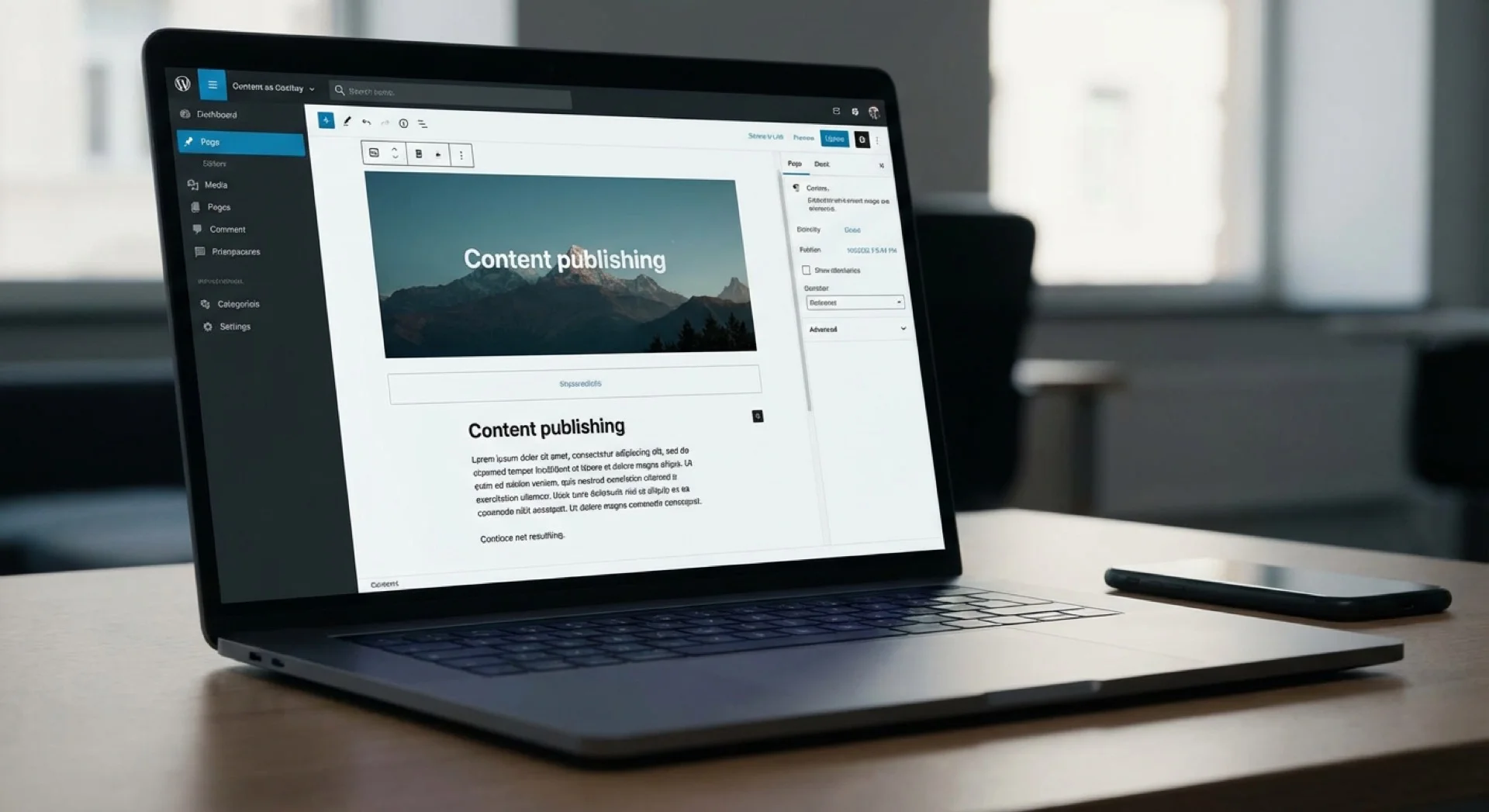
Content production

Teams of research, writing, SEO and quality agents create article drafts from the idea through to approval by the editorial team.

Supply chain management

Agents for inventory monitoring, supplier analysis, demand forecasting and order optimisation coordinate and make suggestions for planners.
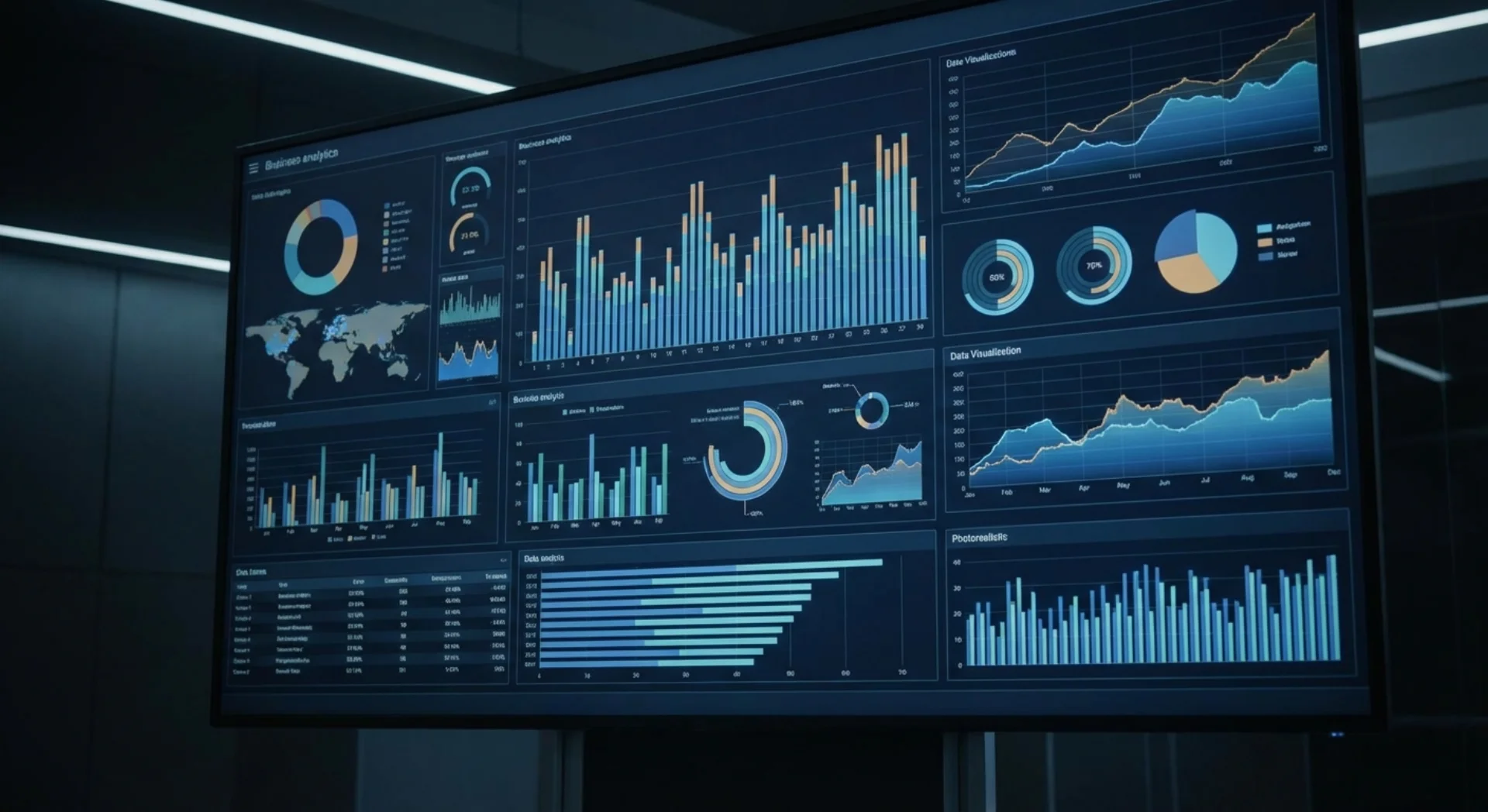
Research & development

Agents for literature research, data analysis and hypothesis testing work in parallel and combine findings automatically.

Customer service

Specialised service agents for billing, technical issues or returns are coordinated by a routing agent that assigns requests and manages escalations.

(06)

Agent teams: example projects

Examples we can build for you

Consulting

Research and reporting team

A research agent gathers sources, an analysis agent evaluates them, a writing agent drafts the report and a review agent checks facts and citations before human approval.

Source checking · Human approval · Goal: faster reports
Customer service

Service routing with specialist agents

A routing agent assigns requests, specialist agents handle them with access to order and contract data, and complex cases go to staff with a summary.

Automated first handling · Multilingual · Audit trail
Retail

Agent team for order processing

Agents check incoming orders, reconcile stock, trigger reorders and inform customers; deviations are escalated.

End-to-end automation · Approvals for exceptions · ERP integration
(07)

Agent teams: consulting in Berlin

Founder AI-native since
2024
Email
info [at] contextstudios [dot] ai

Ready for intelligent agent teams?

Talk to us for 30 minutes about the process an agent team should take over for you.