

AI products for founding teams

AI for Startups

AI for startups means building an AI product with a small team that real users can test and that scales later. Context Studios, an AI-native development studio in Berlin, develops AI MVPs, automations and data-driven products: lean, documented and with an architecture that holds up in technical due diligence.

Converted red-brick factory building with a glass extension and a patinated copper stair tower under an overcast skyAI-generated image
Goal: MVP in about 4–8 weeksPre-seed to growth stageGDPR from day oneWork directly with the founder
  1. Workshop
  2. Setup
  3. Sprint
  4. Build & Support

Fixed price after scoping · proposal within 48 h

Last updated:

(01)

What does AI for startups mean?

AI application area

AI for startups is the targeted use of artificial intelligence to speed up product development, market validation and scaling in young companies. Typical examples are AI MVPs built on pre-trained models, automated processes for small teams and data-driven product decisions, with an architecture that supports growth from the start.

Specialisation
AI MVPs, product-market fit validation, scalable AI architectures
Technologies
GPT, Claude, Convex, Vercel AI SDK, Pinecone
Target group
Pre-seed to Series B startups, venture-backed tech companies
Project duration
Goal: MVP in about 4–8 weeks, product launch typically 3–6 months
Compliance
GDPR, EU AI Act

MVP developmentAI prototype developmentAI SaaS developmentAI consulting

(02)

Which AI solutions fit which startup stage?

From idea to scale: tailored AI development for growing companies

(01)

Rapid MVP development

Goal: from concept to a working AI product in about 4–8 weeks. With modern frameworks such as the Vercel AI SDK and Convex, we build market-ready prototypes that real users can test and that you can show investors.

(02)

Scalable architecture

AI systems that grow with your user numbers without being rebuilt. Serverless architectures with auto-scaling, caching strategies and cost-aware infrastructure, so your cloud costs do not grow faster than your revenue.

(03)

Cost-optimised AI

Startups have limited budgets, so we maximise the return on every investment. Strategic model selection, prompt optimisation and efficient data processing keep AI running costs low.

(04)

Product-market fit validation

AI-assisted analysis of user behaviour, A/B testing and automated feedback loops help you find product-market fit faster. Data-driven decisions instead of gut feeling, with measurable KPIs and real-time dashboards.

(05)

Investor-ready technology

Clean code, documented APIs and a traceable architecture for technical due diligence. We prepare your AI infrastructure so investors can assess its technical maturity. You receive the exclusive rights of use under section 5 of our terms.

(06)

Compliance from the start

GDPR, the EU AI Act and industry-specific regulations are not afterthoughts: we build data protection and compliance in from the first line of code. That avoids expensive late rework and builds trust with customers and investors.

(03)

How does an AI project for startups work?

  1. (01)

    Initial call

    A free 30-minute video call with Michael Kerkhoff. We get to know your project, assess where AI adds value and give you a first estimate of feasibility, effort and timeframe.

    Step 1
  2. (02)

    Proposal & planning

    A detailed feature breakdown, a technical architecture plan and a written proposal covering scope, schedule and a fixed price.

    Step 2
  3. (03)

    AI-accelerated development

    Agile development with weekly demos and production-ready code backed by automated tests. Goal: a working MVP in about 4 weeks.

    Step 3
  4. (04)

    Launch & operation

    Production deployment with complete documentation and handover. 30 days of free bug fixing from final delivery; maintenance and further development by agreement.

    Step 4

Frequently asked questions from startups about AI

(01)How much does AI development cost for a startup?
Costs depend on the complexity of the AI features, your data and the integrations. A lean MVP built on pre-trained models is considerably cheaper than developing your own model. We calculate per project: fixed price after scoping, proposal within 48 hours. To sharpen the idea first, a workshop such as Light Discovery for €1,500 is a good fit.
(02)How long does it take to develop an AI product for my startup?
The goal is a working MVP with the core AI features in about 4–8 weeks. For a complete, market-ready product we typically plan three to six months. We work in agile sprints with weekly demos, so you see early what is being built and can adjust priorities based on user feedback.
(03)Do I need my own data to use AI in my startup?
Not necessarily. Many AI applications such as chatbots, content generation or document analysis work with pre-trained models and little data of your own. For personalised recommendations or predictive analytics, your own data is an advantage. We help you collect the right data from the start and build a data pipeline that grows with the product.
(04)Which AI technologies are suitable for startups?
To start, we recommend API-based models such as GPT or Claude, which can be integrated quickly without your own ML infrastructure. We complement them with Convex for real-time backends and workflows and vector databases such as Pinecone for semantic search. Later, individual tasks can move to cheaper or open-source models without rebuilding the product.
(05)How do I prepare my startup technically for a funding round?
Investors in AI startups look for clean architecture, documented APIs, reproducible pipelines and a clear data strategy. We create technical documentation, architecture diagrams and metrics on cost and performance that you can present in due diligence. We also clarify early which dependencies on model providers exist and how you can limit them.
(06)Is AI development possible in compliance with the GDPR?
Yes. We implement privacy by design from the start: data minimisation, encrypted processing, consent management and deletion concepts. For AI models we use European hosting options and take the requirements of the EU AI Act into account. This spares you expensive rework when your first enterprise customers ask about data protection and compliance.
(07)Can a startup compete with established companies using AI?
Yes, this is exactly where modern AI is strong: small teams can handle tasks that used to require whole departments. Automated customer service, intelligent data analysis and personalised user experiences become possible on startup budgets. The key is to use AI where it strengthens your core value rather than offering it as an add-on feature.
(08)What happens after the MVP launch?
After launch we analyse user data, improve the AI features based on real feedback and plan the roadmap for the next stage. You get 30 days of free bug fixing from final delivery. We agree maintenance and further development flexibly and, if you wish, support you with scaling, new features and preparing funding rounds.
(09)How is Context Studios different from other AI agencies?
Context Studios is an AI-native development studio: we build with AI tools ourselves and know the trade-offs between speed, cost and quality from our own practice. Instead of months of concept work, we work with runnable prototypes early. You work directly with the founder, with no account manager in between, and decide every step together with us.
(10)Which industries does Context Studios build AI solutions for?
We develop for HealthTech, FinTech, EdTech, e-commerce, PropTech and LegalTech, among others. Industry knowledge helps us quickly assess regulatory requirements, typical data sources and proven architectures. If your industry is not on the list, we clarify in the initial call which specifics apply and whether we are the right partner.
(04)

Technology stack for startups

(01)

AI & ML

Anthropic ClaudeOpenAI GPTGoogle GeminiOpen-source LLMs (Llama, Qwen, DeepSeek, Mistral)RAG & vector databases (pgvector, Pinecone, Weaviate)MCP (Model Context Protocol)Hugging Face Transformers
(02)

Web & Mobile

Next.js & ReactTypeScriptReact Native & ExpoTailwind CSSshadcn/uiVercel Edge Runtime
(03)

Backend & Data

Node.js & HonoPythonPostgreSQL & SupabaseConvex (Real-Time DB)RedistRPC & GraphQLOpenAPI
(04)

DevOps & Infrastructure

Vercel & AWSDocker & KubernetesCI/CD (GitHub Actions)OpenTelemetry & GrafanaLangfuse (LLM Monitoring)
(05)

Industries where AI startups take off

HealthTech

AI-assisted diagnostics, telemedicine platforms and patient data analysis. HealthTech startups use machine learning for personalised treatment suggestions and automated evaluation of findings.

FinTech

Smart credit scoring, fraud detection and automated financial advice. FinTech startups use AI to simplify banking processes and personalise financial products.

E-commerce & retail

Personalised product recommendations, dynamic pricing and AI-driven inventory optimisation, with the goal of higher conversion rates.
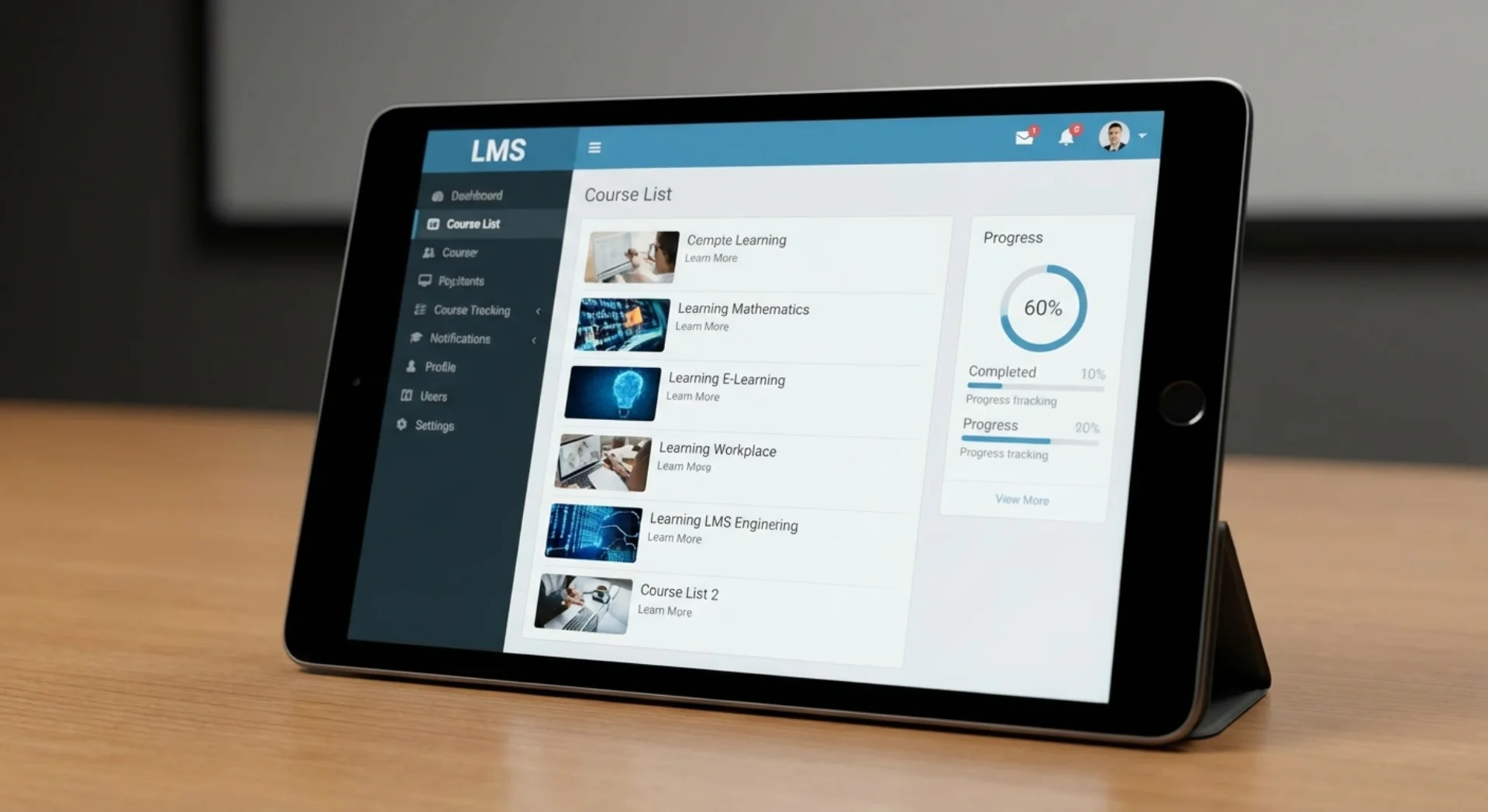
EdTech

Adaptive learning platforms, automated assessment systems and personalised learning paths. EdTech startups use AI to make education individual and scalable.

PropTech

AI-based property valuation, automated listing creation and intelligent matching algorithms: data-driven solutions for a more transparent property market.

LegalTech

Automated contract review, AI-assisted legal research and intelligent compliance systems. LegalTech startups make legal services more efficient and accessible.

(06)

Startup AI: example projects

Examples we can build for you

SaaS

AI MVP for investor demos

A lean product with one clear AI core feature, real users in a closed beta and usage metrics that the founding team can present in the next funding round.

Goal: MVP in about 4–8 weeks · Usage metrics from day one · Documented architecture
FinTech

AI-assisted customer onboarding

An AI assistant checks documents, answers questions about the application and hands unclear cases to the team, so a small team can serve many new customers.

Document check · Human review for edge cases · GDPR-compliant
E-commerce

Personalised recommendations

A recommendation engine combines product data and user behaviour to suggest suitable products and can be tested and improved via A/B testing.

A/B testing · Real-time personalisation · Scales with traffic
(07)

Startup AI consulting in Berlin

Founder AI-native since
2024
Email
info [at] contextstudios [dot] ai

Ready to accelerate your startup with AI?

Let's plan your AI MVP together in a 30-minute call directly with the founder.