

Personalisation with AI

AI Recommendation Engine

An AI recommendation engine suggests suitable products, content or offers to every user based on behaviour, product data and context. Context Studios, an AI-native development studio in Berlin, builds tailored recommenders for shops, platforms and B2B marketplaces, with real-time personalisation, cold-start handling and benefits measured through A/B tests.

Crossing escalators with patinated copper panels in a shopping atrium under a glass roof, photographed from belowAI-generated image
Cross-selling and upsellingReal-time personalisationCold-start handling includedA/B testing framework
  1. Workshop
  2. Setup
  3. Sprint
  4. Build & Support

Fixed price after scoping · proposal within 48 h

Last updated:

(01)

What is an AI recommendation engine?

AI technology

An AI recommendation engine (recommender system) analyses user behaviour, product data and context to suggest suitable products, content or offers to each user. Typical methods are collaborative filtering, content-based filtering and hybrid deep learning models, whose benefit is measured through A/B tests.

Specialisation
Collaborative filtering, content-based, hybrid models, deep recommenders
Technologies
TensorFlow Recommenders, PyTorch, LightFM, Pinecone, Redis
Target group
E-commerce, media platforms, SaaS, streaming services, B2B marketplaces
Project duration
Basic recommender typically 4–8 weeks, comprehensive system 3–6 months
Compliance
GDPR (profiling under Art. 22), consent management, EU AI Act transparency obligations

AI for e-commerceAI data analysisMachine learning developmentVector database integration

(02)

What does a modern recommendation engine do?

Personalised suggestions that help users and drive revenue

(01)

Hybrid recommendation algorithms

A combination of collaborative, content-based and context-based filtering. The hybrid approach delivers relevant recommendations even for new users and new products and offsets the weaknesses of individual methods.

(02)

Real-time personalisation

Recommendations adapt in real time to browsing behaviour, basket contents and context such as device or time of day. The system is designed for very short response times so the user experience does not suffer.

(03)

Cold-start handling

New users and new products get sensible recommendations immediately, without weeks of data collection. Knowledge-based rules, popularity baselines and fast learning from first interactions bridge the start phase.

(04)

A/B testing & optimisation

An integrated testing framework compares algorithms and strategies automatically. Multivariate tests optimise position, number and presentation of recommendations, and statistical significance is calculated automatically.

(05)

Multi-channel recommendations

Consistent recommendations across website, app, email, push notifications and chatbots. One system serves all channels and takes their specifics into account.

(06)

Explainable recommendations

Explanations such as “customers who bought X also bought Y” build trust and click-through. Explainability is also a prerequisite for transparent, GDPR-compliant profiling.

(03)

How is a recommendation engine built?

  1. (01)

    Initial call

    A free 30-minute video call with Michael Kerkhoff. We get to know your project, assess where AI adds value and give you a first estimate of feasibility, effort and timeframe.

    Step 1
  2. (02)

    Proposal & planning

    A detailed feature breakdown, a technical architecture plan and a written proposal covering scope, schedule and a fixed price.

    Step 2
  3. (03)

    AI-accelerated development

    Agile development with weekly demos and production-ready code backed by automated tests. Goal: a working MVP in about 4 weeks.

    Step 3
  4. (04)

    Launch & operation

    Production deployment with complete documentation and handover. 30 days of free bug fixing from final delivery; maintenance and further development by agreement.

    Step 4

Frequently asked questions about AI recommendation engines

(01)Which recommendation algorithm is the best?
There is no universally best algorithm: collaborative filtering works well with lots of user data, content-based filtering with rich product data and deep learning with complex context information. Hybrid models combine these strengths and usually win in practice. We compare several approaches offline on your data and confirm the winner with an A/B test.
(02)How is the cold-start problem solved?
For new users, popularity baselines, short onboarding questions and fast learning from the first clicks help. For new products we use embeddings from product descriptions and images, category assignments and knowledge-based rules. After a few interactions the personalised models gradually take over, without users noticing a break.
(03)How much data does a recommendation engine need?
A personalised model needs a few thousand interactions between users and products; the more, the finer the personalisation. With little behavioural data we start with content-based approaches and rules that work from day one, and switch on personalised methods as soon as enough data is available.
(04)How fast are the recommendations?
We design recommendation engines for response times users do not notice. Frequent recommendations are precomputed, results and features are cached in Redis, and only the context-dependent part is calculated live. That keeps performance constant even with large catalogues and high load, which we verify with load tests before launch.
(05)Is the personalisation GDPR-compliant?
Yes. We use consent-based tracking, pseudonymised user profiles, the right to erasure and transparent explanations of why something is recommended. Recommendations also work without personal data, for example context- or popularity-based, so users who have not consented still receive useful suggestions.
(06)How do you measure the success of a recommendation engine?
Offline, we measure relevance with metrics such as Precision@K, Recall@K and NDCG. Online, what counts is the click-through rate on recommendations, conversion lift, basket value and customer retention. A/B tests compare the system directly with the previous solution, so the benefit is proven before it is rolled out to all users.
(07)How much does a recommendation engine cost?
Costs depend on your data, the number of channels, catalogue size and the depth of personalisation; a recommender for one channel with good data is built much faster than a multi-channel platform. Fixed price after scoping, proposal within 48 hours. Ongoing costs arise mainly for hosting and data processing.
(08)Can the system deliver different types of recommendations at once?
Yes. One system can serve “similar products”, “customers also bought”, “personalised for you”, “trending” and “recently viewed” in parallel, each with its own algorithm tuned to placement and context. Shared data and features make sure the recommendations fit together and do not contradict each other.
(04)

Technology stack for recommendation engines

(01)

AI & ML

TensorFlow Recommenders & PyTorchLightFM & ImplicitEmbedding models for product and text similarityVector databases (Pinecone, pgvector)Redis (feature and result cache)LLMs for explanations (Claude, GPT)A/B testing & experiment tracking
(02)

Web & Mobile

Next.js & ReactTypeScriptReact Native & ExpoTailwind CSSshadcn/uiVercel Edge Runtime
(03)

Backend & Data

Node.js & HonoPythonPostgreSQL & SupabaseConvex (Real-Time DB)RedistRPC & GraphQLOpenAPI
(04)

DevOps & Infrastructure

Vercel & AWSDocker & KubernetesCI/CD (GitHub Actions)OpenTelemetry & GrafanaLangfuse (LLM Monitoring)
(05)

Recommendation engines by industry

E-commerce & retail

Personalised recommendations on the home page, product pages and in checkout. Cross-selling and upselling can raise basket value, and a better fit can reduce returns.

Streaming & media

Content recommendations for video, music and podcasts that learn individual tastes and suggest new content, important for retention and subscription renewals.
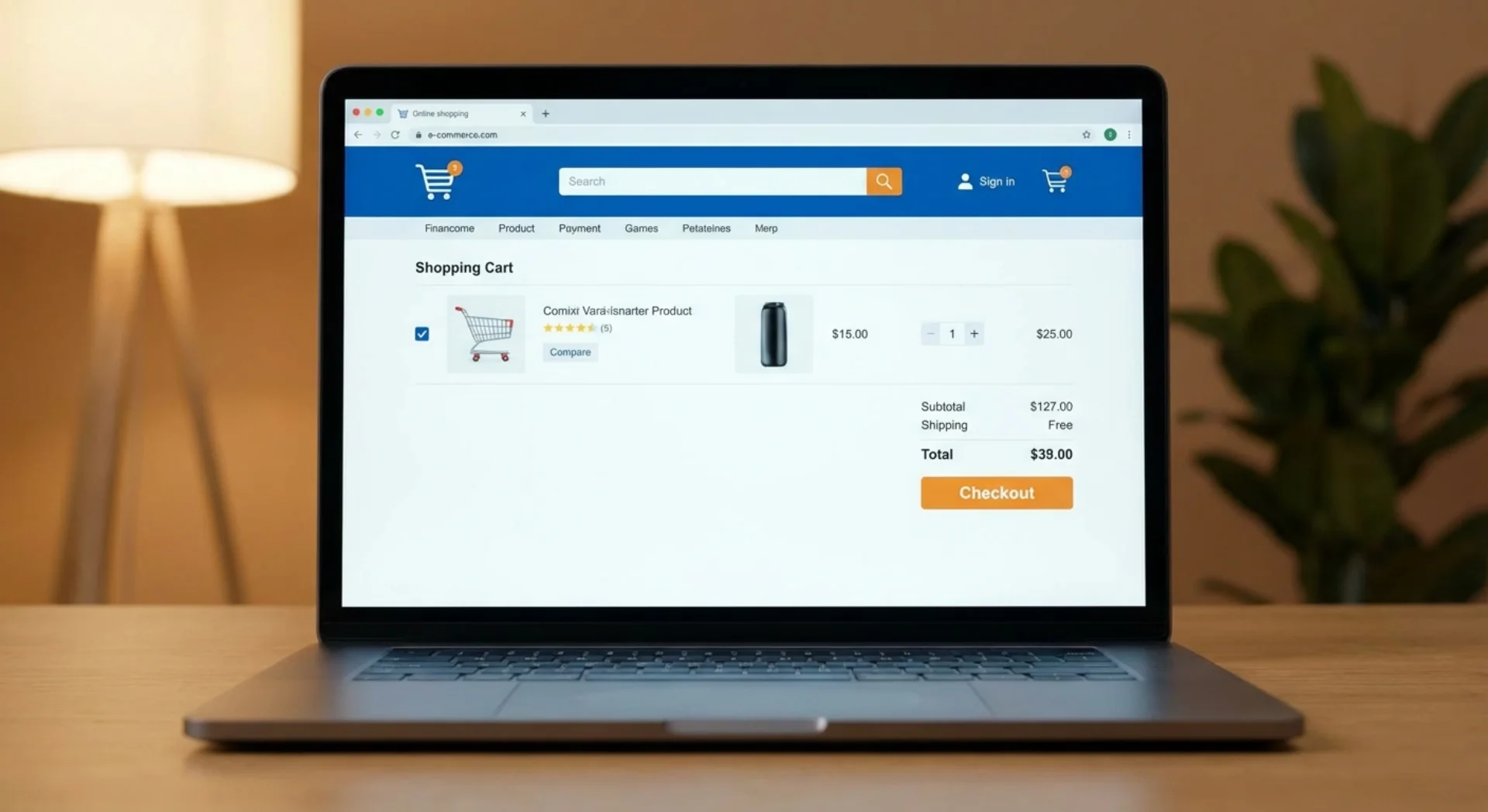
B2B marketplaces

Matching between suppliers and buyers and product suggestions based on industry, order history and seasonality that make searching easier for buyers.
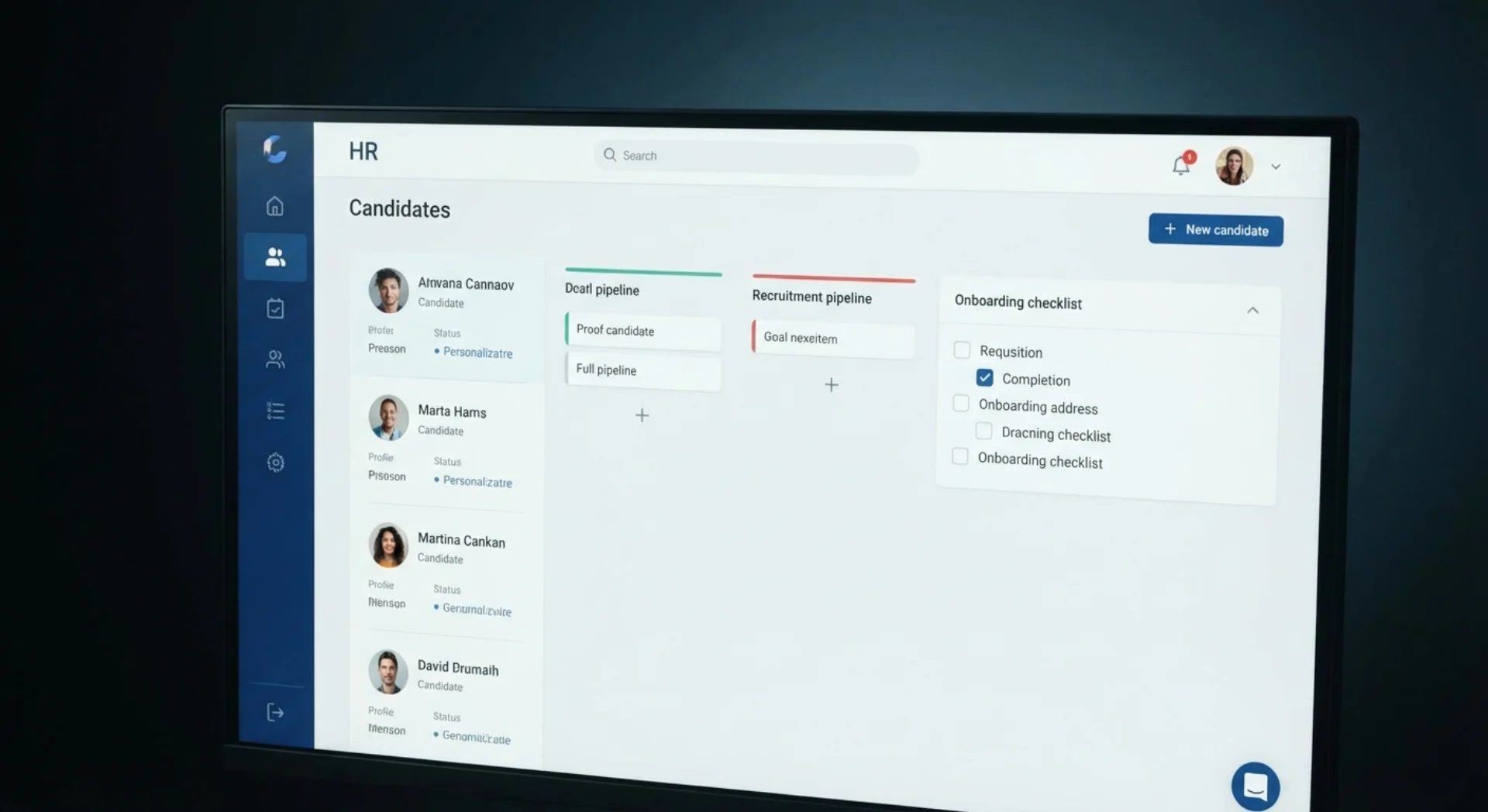
Job platforms & HR

Skills-based matching between job ads and candidate profiles, in both directions, for employers and job seekers.
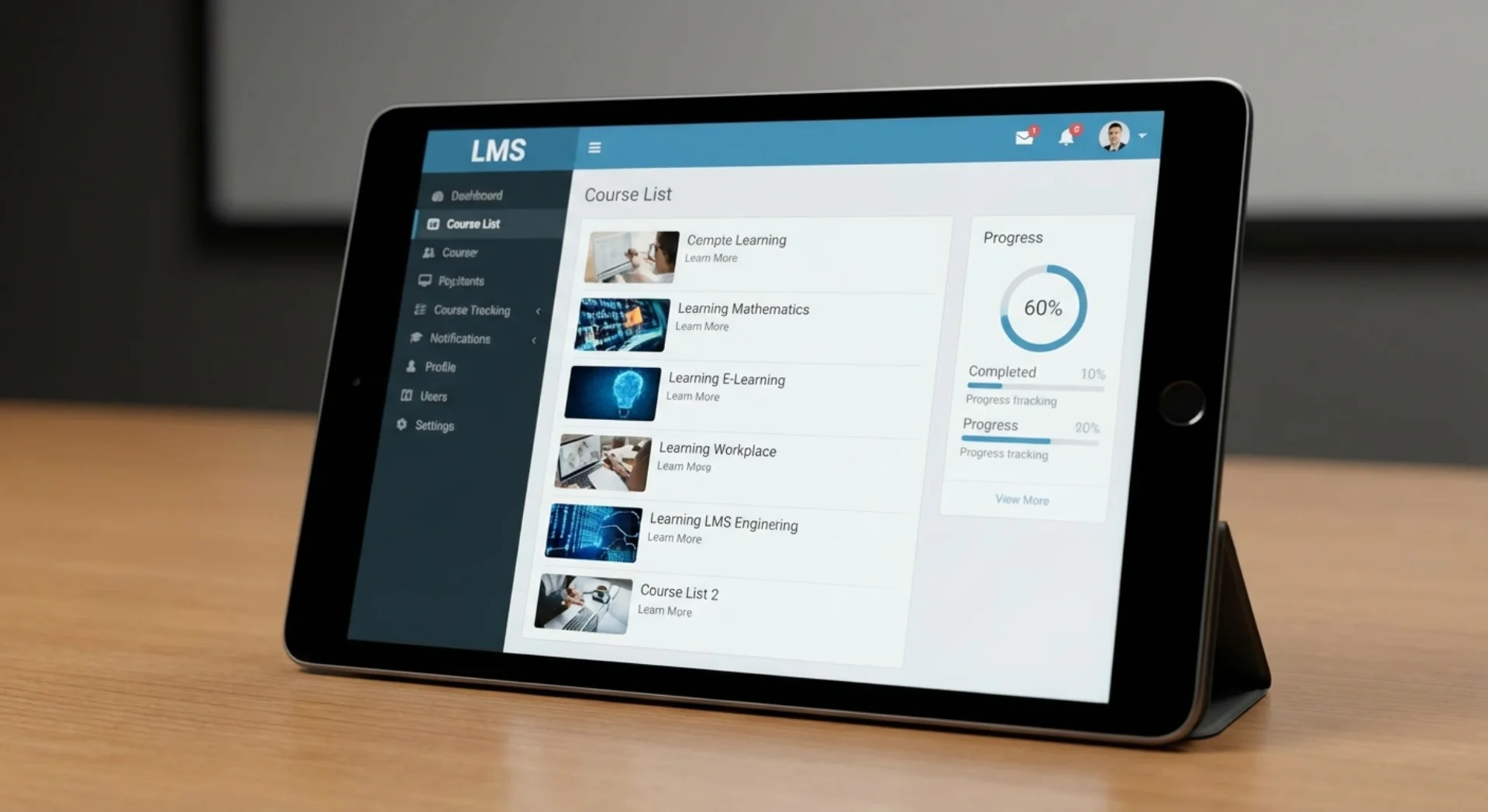
Education & e-learning

Course recommendations based on learning goals, progress and learning style that adjust difficulty and close knowledge gaps in a targeted way.

Real estate

Property recommendations based on search behaviour, budget and life situation that also take implicit preferences into account.

(06)

Recommendation engines: example projects

Examples we can build for you

E-commerce

Product recommendations for an online shop

A hybrid recommender suggests suitable add-ons on product and basket pages and is tested against the previous bestseller list in an A/B test.

Goal: higher basket value · A/B tested · Cold-start rules
E-learning

Content recommendations for a learning platform

The system suggests suitable next courses and exercises to learners, depending on progress, goals and previous results.

Adaptive learning paths · Explainable suggestions · GDPR-compliant
B2B

Next best action in B2B sales

Based on order history and CRM data, a model suggests to the sales team which products or offers are most relevant next for each customer.

CRM integration · Reasoned suggestions · Goal: more targeted customer contact
(07)

Recommendation engines: consulting in Berlin

Founder AI-native since
2024
Email
info [at] contextstudios [dot] ai

A recommendation engine for your business

Talk to us for 30 minutes about your data, channels and goals for personalised recommendations.